Texas Congressman Ends Reelection Bid After Admitting Affair With Deceased Former Staffer
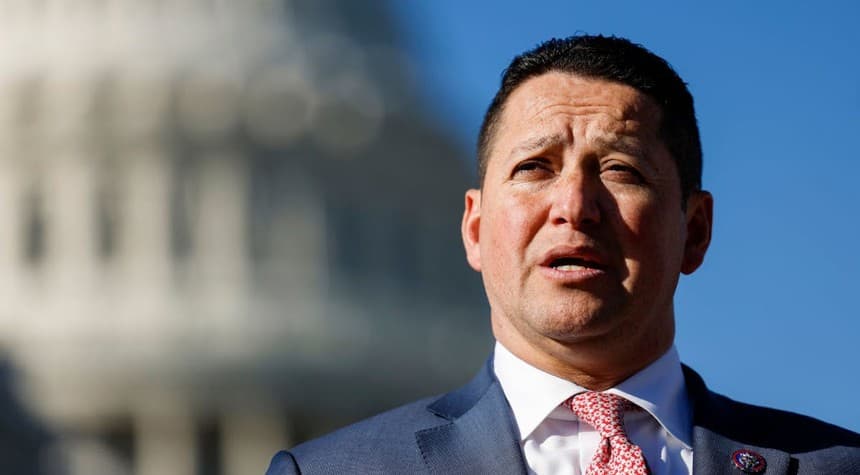
The political career of Texas Representative Tony Gonzales came to an abrupt halt Thursday, a stark reminder that in Washington, personal failings can still carry consequences even in these turbulent times.
Gonzales announced he would not seek reelection to represent Texas's 23rd Congressional District, ending what had become an increasingly untenable position for both the congressman and Republican leadership. The decision came just twenty-four hours after he publicly acknowledged an extramarital affair with Regina Santos-Aviles, a former member of his staff who tragically took her own life last September.
The 35-year-old Santos-Aviles was a married mother, and her death has cast a long shadow over what was already shaping up to be a contentious primary battle. Gonzales faced challenger Brandon Herrera in what had devolved into a runoff election, with pressure mounting from multiple directions.
In his statement, Gonzales attempted to strike a tone of reflection and resolve. "After deep reflection and with the support of my loving family, I have decided not to seek reelection while serving out the rest of this Congress with the same commitment I have always had to my district," he said. He pledged to continue representing his constituents through the remainder of his term, expressing eternal gratitude for their support.
But the writing had been on the wall. House Speaker Mike Johnson, along with Majority Leader Steve Scalise, Majority Whip Tom Emmer, and GOP Conference Chairwoman Lisa McClain, issued a unified call Thursday morning for Gonzales to withdraw from the race. That kind of coordinated pressure from leadership rarely leaves room for alternative outcomes.
"The Ethics Committee has announced an investigation into Congressman Tony Gonzales's conduct, and we urge them to act expeditiously," the Republican leaders stated. "In the meantime, Leadership has asked Congressman Gonzales to withdraw from his race for reelection."
The situation presents a complex picture of accountability in modern politics. On one hand, Republican leadership moved swiftly once the affair became public knowledge and an ethics investigation commenced. On the other, questions linger about what was known, when it was known, and whether earlier intervention might have been appropriate.
Texas's 23rd Congressional District covers a vast swath of the state, stretching from San Antonio to El Paso along the southern border. It is a competitive district that has swung between parties in recent cycles, making the Republican primary all the more consequential for the party's hopes of maintaining the seat in November.
The circumstances surrounding Santos-Aviles's death remain deeply troubling, and the ethics investigation will presumably examine the full scope of Gonzales's conduct. For now, the congressman has committed to serving out his term while his political future has effectively ended.
This episode serves as a sobering reminder that personal conduct still matters in public service, even as our political discourse has coarsened in so many other ways. The swift action by House leadership suggests an understanding that some lines, once crossed, cannot be uncrossed, particularly when tragedy is involved.
Related: Obama Urges Virginia Voters to Back Democrat Redistricting Plan in April Ballot Measure