
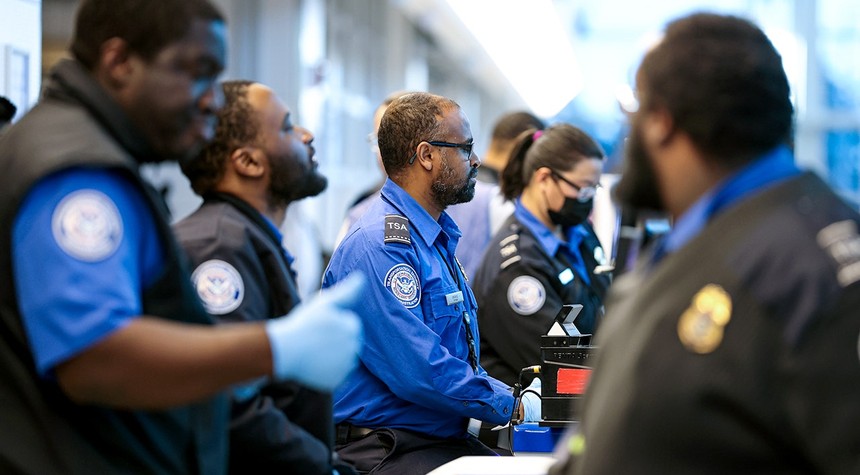
The numbers tell a stark story. Forty-six days into a partial government shutdown, and thousands of Department of Homeland Security personnel find themselves caught between duty and financial hardship. The Trump administration has now stepped in with an unusual remedy.
The Treasury Department and Internal Revenue Service will grant an automatic 30-day tax filing extension to affected DHS employees, protecting them from penalties and interest charges. It is the kind of relief typically reserved for natural disasters and extraordinary circumstances, which speaks volumes about the severity of this situation.
“The continued shutdown of the Department of Homeland Security has created unnecessary disruptions, placing an unfair burden on DHS personnel and their families,” Treasury Secretary Scott Bessent stated. “We are committed to supporting our hard-working DHS officers and employees so they can stay focused on their mission and keep the American people safe without being penalized for missing a tax filing deadline.”
This measure arrives as financial pressure mounts on federal workers who continue reporting to their posts despite uncertainty about their paychecks. TSA agents still scan luggage at airports across the nation. Border patrol agents still man their stations. Coast Guard personnel still conduct their missions. Yet the shutdown grinds on, now stretching well beyond six weeks.
The extension represents a practical acknowledgment that asking federal employees to protect the homeland while simultaneously managing personal financial crises creates an untenable situation. When Americans cannot pay their bills on time, the IRS typically shows little mercy. This exception underscores the administration’s recognition that these circumstances fall well outside the ordinary.
Meanwhile, the House GOP has pushed through a new DHS funding plan, though resolution remains far from certain. Democrats continue their criticism of spending cuts proposed by the Department of Government Efficiency, setting up a clash that shows no signs of quick resolution.
The tax relief measure provides breathing room, but it does not solve the underlying problem. These federal workers still face mortgage payments, car loans, grocery bills, and all the other expenses that do not pause for political gridlock. A 30-day extension merely delays the reckoning rather than preventing it.
The IRS itself reports that average tax refunds have topped $3,700 midway through this filing season. For DHS personnel counting on those refunds to cover bills accumulated during the shutdown, even a delay in filing could mean further financial strain. The extension prevents penalties, but it cannot speed up the return of money many desperately need.
This situation highlights the human cost of political standoffs in Washington. These are not abstract budget numbers or theoretical policy debates. Real people with real families face real consequences when the machinery of government seizes up over funding disputes.
The question now becomes how long this relief will need to last. If the shutdown extends beyond the 30-day extension period, will Treasury grant additional time? At what point does temporary relief become insufficient to address an ongoing crisis?
For now, DHS personnel have one less immediate worry. They can focus on their critical missions without fear of IRS penalties compounding their financial difficulties. But make no mistake, this tax extension is a Band-Aid, not a cure. The shutdown continues, and with each passing day, the pressure intensifies.
Related: New Jersey House Candidate Under Fire for Dodging Direct Debates