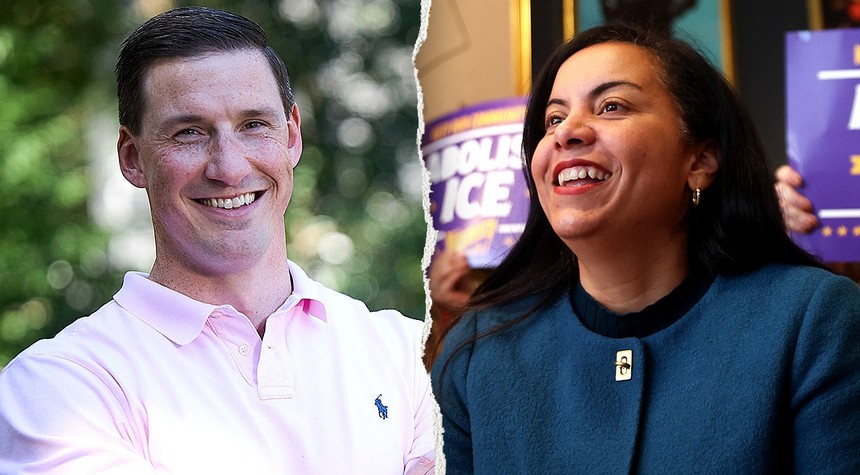
Courage, as they say, is not the absence of fear but rather the willingness to face it head-on. In New Jersey’s upcoming special election, questions of political courage are taking center stage as a progressive House candidate finds herself in hot water for refusing to meet her opponent face-to-face.
Analilia Mejia, who has earned endorsements from Senator Bernie Sanders and Representative Alexandria Ocasio-Cortez, has repeatedly declined opportunities to debate her Republican challenger Joe Hathaway in person. Instead, she has agreed only to participate in a virtual forum scheduled for Wednesday evening, a decision that has raised serious questions about her willingness to defend her far-left policy positions before voters.
The pattern is troubling, and it speaks to a larger issue we have seen across the political landscape. When candidates refuse to engage directly with their opponents, particularly in the final stretch of a campaign, voters have every right to ask what they might be hiding.
Hathaway has not minced words about his opponent’s reluctance to appear alongside him on a debate stage. He characterized her behavior as both dodging and dishonesty, noting that her avoidance tactics limit voters’ ability to make informed comparisons between the two candidates with only two weeks remaining before the special election.
“For now, she can hide behind a screen, but she cannot hide from her record,” Hathaway stated, cutting to the heart of the matter.
The special election was triggered by the resignation of former Representative Mikie Sherrill, who left her congressional seat after winning the New Jersey gubernatorial race. The timing makes this contest particularly significant, as it will provide an early indicator of voter sentiment heading into the broader midterm season.
Mejia’s campaign strategy raises fundamental questions about accountability in modern politics. Virtual forums certainly have their place, particularly in circumstances that genuinely require remote participation. However, when a candidate consistently refuses in-person debates while accepting only virtual alternatives, it suggests a calculated effort to control the environment and minimize direct confrontation.
The endorsements from Sanders and Ocasio-Cortez signal that Mejia represents the progressive wing of the Democratic Party, advocating for policies that often prove difficult to defend in competitive districts. Her reluctance to engage in traditional debate formats may reflect an awareness that her policy positions could face withering scrutiny in a direct exchange.
For voters in New Jersey’s district, this situation presents a clear test. They must decide whether they want a representative who will stand and defend her positions openly, or one who prefers the safety of controlled, virtual environments where spontaneous challenges and follow-up questions carry less weight.
The contrast between the candidates could not be starker. Hathaway has demonstrated his willingness to engage anywhere, anytime. Mejia has shown a preference for distance and mediation.
As this race enters its final days, voters would do well to remember that representation requires more than just casting votes in Congress. It requires the fortitude to face constituents, opponents, and tough questions without flinching. Whether Mejia possesses that fortitude remains very much an open question.
Related: Two Dozen Republican State Attorneys General Challenge New York Gun Manufacturer Lawsuits