Senate Republicans Confirm 49 Trump Nominees in Single Day Push
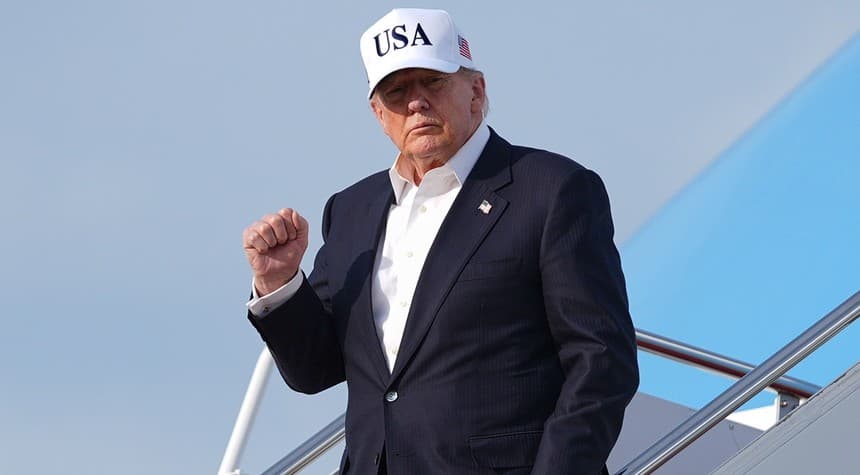
The wheels of government, as they say, grind slowly. But on Monday, Senate Republicans put the pedal to the metal, confirming 49 of President Donald Trump's nominees in one fell swoop.
This marks a significant milestone in what has been a contentious confirmation process. With Monday's action, Republicans have now installed 60 percent of the president's civilian nominees, a substantial achievement that speaks to both persistence and procedural maneuvering.
The batch confirmation represents the fourth time the GOP has utilized this streamlined approach since changing Senate rules last year. That rule change, often called the "nuclear option" in Washington parlance, was designed specifically to break through what Republicans characterized as Democratic obstruction of the president's picks.
The 49 confirmations encompass a wide range of positions across the federal government. Among those now sworn in are a dozen United States attorneys, several United States marshals, ambassadors to foreign posts, and appointees to various federal agencies. The departments of War, Transportation, and Energy all received new leadership additions, along with other agencies critical to the administration's operations.
The significance of this moment should not be understated. Presidential nominees have traditionally faced lengthy confirmation processes, but the current political climate has made these appointments particularly challenging. Democrats have employed every procedural tool at their disposal to slow the confirmation process, arguing that proper vetting requires time and thorough examination.
Republicans counter that the delays have been excessive and politically motivated, preventing the president from fully staffing his administration well into his term. The frustration reached a boiling point, leading to the rules change that now allows for these batch confirmations.
The process raises fundamental questions about the balance between efficiency and oversight. On one hand, a president deserves to have his team in place to execute his agenda, which voters elected him to pursue. On the other hand, the Senate's constitutional role of advice and consent carries real weight and responsibility.
What remains clear is that this administration has faced unprecedented resistance in getting its nominees through the confirmation process. Whether one views this as necessary scrutiny or partisan obstruction likely depends on where one sits on the political spectrum.
The practical impact of Monday's confirmations will be felt across the country. United States attorneys will now be in place to pursue the administration's law enforcement priorities. Ambassadors will represent American interests abroad. Agency officials will implement policies across transportation networks, energy infrastructure, and defense operations.
As the Senate continues working through the remaining nominees, the question becomes whether this accelerated pace will continue or whether Democrats will find new ways to slow the process. With roughly 40 percent of civilian nominees still awaiting confirmation, the battle is far from over.
What is certain is that Senate Republicans have demonstrated their willingness to use every tool at their disposal to advance the president's agenda. Whether this approach serves the long-term interests of the institution and the country remains a matter of considerable debate.
Related: Long Island Rail Road Strike Enters Critical Phase as Monday Commute Looms