
Courage, as they say, is being the only one who knows you’re afraid. But when a major defense contractor like Boeing packs up and leaves your state after nearly a decade, that takes a different kind of courage to explain away.
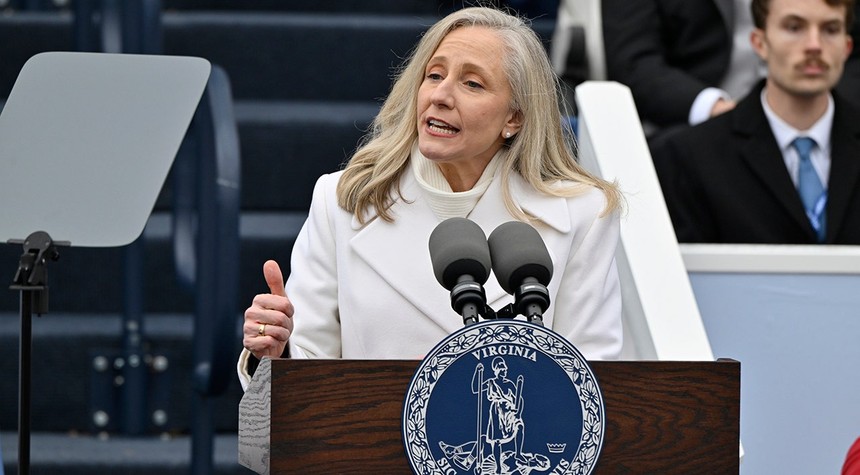
Boeing announced Wednesday it is moving its Defense, Space & Security headquarters out of Virginia and back to St. Louis, Missouri. The timing raises eyebrows across the Potomac and beyond. This corporate exodus comes just weeks after Democratic Governor Abigail Spanberger took the oath of office, replacing Republican Governor Glenn Youngkin.
The aerospace giant offered what might charitably be called the official explanation. Boeing’s statement emphasized leadership’s “commitment to being present and engaged with teammates who are designing, producing and delivering vital defense and space products and capabilities for customers in the United States and around the world.”
Translation: They want to be where the work actually happens, not in the shadow of Washington’s political machinery.
The company pointed to its ongoing multibillion-dollar investment in what it calls “the world’s most advanced combat aircraft production facilities,” with St. Louis playing a central role. The move relocates the defense headquarters from Arlington, Virginia, back to its former home in St. Louis, where the bulk of Boeing’s products are designed and manufactured.
Now, let us be clear about what this means. Boeing established its presence in Arlington, a Washington suburb, nearly a decade ago. That decision put the company’s leadership close to the Pentagon, close to Capitol Hill, close to the corridors of power where defense contracts are negotiated and federal relationships are maintained.
Walking away from that proximity is not a decision made lightly or without significant calculation. Companies do not abandon strategic positioning near the nation’s capital on a whim.
Governor Spanberger’s administration now faces uncomfortable questions about Virginia’s business climate under new Democratic leadership. The contrast with her predecessor could hardly be starker. Youngkin built his reputation on attracting business investment and creating what he termed a competitive economic environment. His administration championed policies designed to keep Virginia attractive to major employers, particularly in the defense and technology sectors.
This Boeing departure represents more than just a corporate relocation. It signals a potential shift in how major defense contractors view Virginia’s trajectory under Democratic governance. The defense industry watches political winds carefully, and they invest where they see stability and partnership.
The broader implications deserve scrutiny. Virginia has long positioned itself as a hub for defense contractors, leveraging its proximity to the Pentagon and military installations throughout the state. That strategic advantage depends on maintaining a business-friendly environment that recognizes the unique needs of the defense sector.
Whether this represents an isolated corporate decision or the leading edge of a broader trend remains to be seen. But in politics, as in journalism, timing is rarely coincidental. When a major employer makes a significant move weeks into a new administration, people notice. They ask questions. They wonder what conversations happened, or perhaps more tellingly, what conversations did not happen.
The facts speak plainly enough. Boeing is leaving Virginia. Missouri is welcoming them back. And Governor Spanberger’s administration has some explaining to do about what kind of Virginia they intend to build, and whether major employers will want to be part of it.
Related: Presidential Medal of Freedom Goes to Former HUD Secretary Ben Carson