The courage of this moment demands we ask some hard questions about what is happening in the halls of federal power.
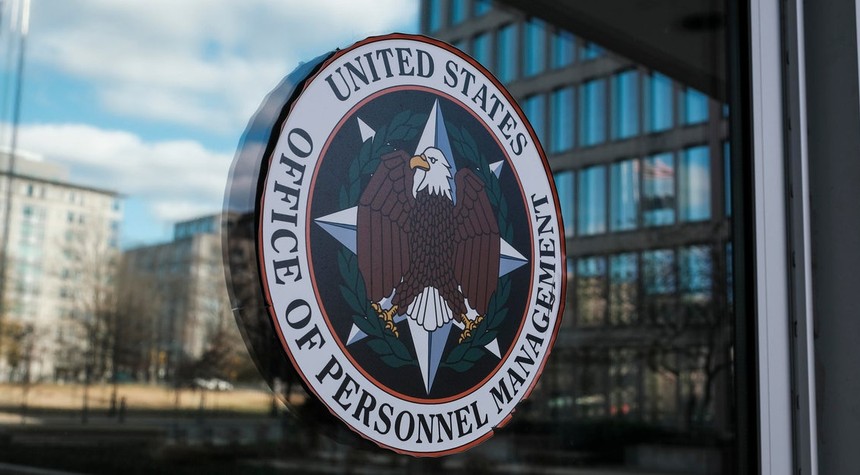
A quiet notice from the Office of Personnel Management has landed on the desks of 65 insurance companies, and what it requests should give every American pause. The Trump administration is seeking monthly reports containing identifiable health data on more than 8 million Americans who participate in federal health benefit plans. These are not abstract statistics. These are real people: federal workers, retired members of Congress, mail carriers, and their immediate family members.
The scope of this request is remarkable. The agency wants to see which prescriptions employees have filled and what treatments they have sought from their doctors. This is not the kind of anonymized data typically used for policy analysis. Multiple experts in health policy and law have examined the December notice and reached the same conclusion: the administration appears to be requesting identifiable information.
The Office of Personnel Management has not responded to repeated requests for comment, leaving insurers and privacy advocates to interpret the agency’s intentions on their own.
According to the notice, insurers would be required to furnish “service use and cost data,” including medical claims, pharmacy claims, encounter data, and provider information. The stated purpose is to ensure plans remain competitive, quality-driven, and affordable. On its face, that sounds reasonable enough.
But here is where the situation gets murky. The notice does not instruct insurers to redact identifying information, a burdensome process that would require federal guidance to complete properly. Instead, it simply states that insurers are legally permitted to disclose “protected health information” to the agency.
Sharona Hoffman, a health law ethicist at Case Western Reserve University in Ohio, acknowledged the potential legitimate uses for such data. The agency could analyze costs and improve the system, she noted. Then came the qualifier that cuts to the heart of the matter: “But they are going to get very, very detailed and granular data about everything that happens. The concern here is the more information they have, they could use it to discipline or target people who are not cooperating politically.”
That concern does not exist in a vacuum. The past year has witnessed mass layoffs and firings of thousands of federal workers. Dozens have claimed they were targeted in acts of political retaliation or for failing to embrace the White House’s agenda. The administration has also tested legal boundaries regarding the sharing of sensitive and personally identifiable tax and health information across government agencies in pursuit of mass immigration enforcement and identity fraud investigations.
Michael Martinez, senior counsel at Democracy Forward, an advocacy organization that filed a public comment opposing the proposal, framed the stakes plainly: “You can anticipate a scenario where this information on 8 million Americans is now in the hands of OPM and there is a real concern of how they use it.”
The questions write themselves. Can the agency adequately safeguard such a sweeping database of sensitive health information? What legal authority permits this level of data collection? And perhaps most importantly, what mechanisms exist to prevent misuse?
Insurers are expressing unease. Legal experts are raising red flags. The public comment period has drawn opposition from privacy advocates. Yet the Office of Personnel Management remains silent.
The American people deserve answers, and they deserve them now. Transparency is not a partisan issue. It is a fundamental requirement of democratic governance.
Related: Rep. John Larson Launches Impeachment Effort Targeting Trump Foreign Policy Actions