
The wheels of justice turned in favor of the Trump administration this week, and the implications reach far beyond the marble halls of Washington’s federal courthouse.
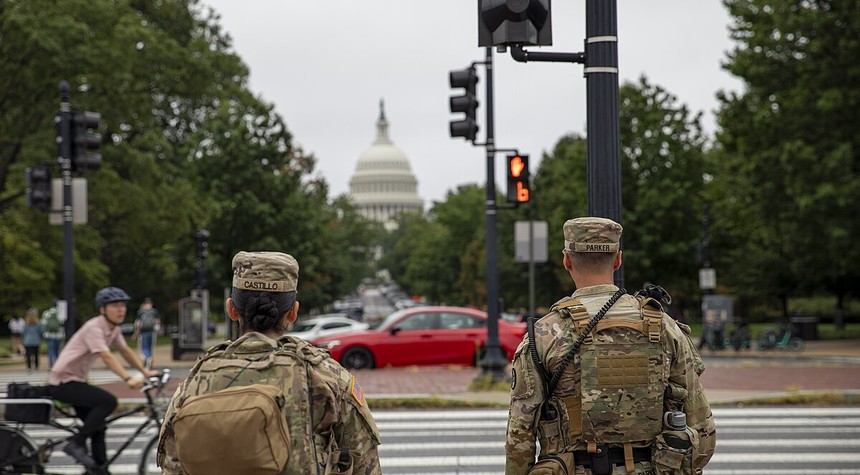
A three-judge panel of the D.C. Circuit Court of Appeals delivered a unanimous decision Wednesday that allows President Trump to continue deploying National Guard troops to the nation’s capital. The ruling temporarily halts a lower court injunction that had attempted to block such deployments, and the reasoning behind it speaks to fundamental questions about presidential authority within the federal district.
What makes this decision particularly noteworthy is the composition of the panel itself. Judge Patricia Millett, an Obama appointee, authored the opinion and was joined by two Trump appointees, Judges Neomi Rao and Gregory Katsas. When judges appointed by different administrations reach unanimous agreement on a contentious issue, it merits serious attention.
The legal reasoning cuts to the heart of what makes Washington different from the fifty states. Judge Millett’s opinion emphasized that the District of Columbia exists as a federal district created by Congress, not as a constitutionally sovereign entity like the states themselves. This distinction matters enormously when determining presidential authority.
According to the court’s analysis, the president likely possesses unique powers within the seat of the federal government to mobilize the Guard under existing federal law. The opinion further suggested that the D.C. Code independently authorizes such deployment, providing a second legal foundation for the administration’s actions.
The practical considerations weighed heavily in the court’s deliberation. Thousands of service members have already been deployed to Washington for four months. Allowing the lower court’s injunction to take effect would create what Judge Millett described as “a profound level of disruption” to their lives and service.
The August deployment order, according to the appellate court, implicates strong and distinctive interests in protecting federal governmental functions and property within the nation’s capital. These are not abstract legal concepts but concrete matters of national security and federal operations.
Judge Millett was careful to note that Wednesday’s decision does not bind the merits panel that will conduct a more thorough examination of the legal issues. Neither does it address the president’s deployment of State Guards to various cities across the country. Those battles continue to unfold in courtrooms elsewhere.
The legal conflict over National Guard deployments extends well beyond Washington. In Illinois, the Trump administration faces an ongoing standoff with state officials over the deployment of Guard members to Chicago. A Biden-appointed district judge granted a temporary restraining order blocking that deployment back in October, and the administration subsequently sought relief from the 7th Circuit Court of Appeals.
These cases represent more than procedural disputes between different levels of government. They reflect deeper disagreements about executive authority, federalism, and the balance of power between state and federal interests when it comes to maintaining order in American cities.
The District of Columbia case now moves forward to a merits panel for fuller consideration, but Wednesday’s unanimous decision provides the Trump administration with significant momentum and suggests the legal foundation for presidential authority within the federal district stands on solid ground.
For thousands of National Guard members currently deployed to Washington, the decision means continuity in their mission. For the broader debate about presidential powers and federal authority, it represents an important marker in an ongoing constitutional conversation about governance in America’s unique capital city.
Related: Republican Voter Registration Surge Threatens to Flip North Carolina After 40 Years