Federal Prosecutors Target Illegal Voter Registration Scheme on Los Angeles Skid Row
The wheels of justice are turning in a case that strikes at the very heart of electoral integrity, and the details emerging from federal prosecutors paint a troubling picture of what can go wrong when money enters the voter registration process.
Marina del Rey resident Anika Brenda Lee Armstrong, age 64, now faces the full weight of federal law after allegedly paying people, including vulnerable homeless individuals living on Los Angeles' Skid Row, to register to vote. The Justice Department has charged her with one felony count, and Armstrong has agreed to plead guilty.
Assistant Attorney General Harmeet Dhillon, who leads the Civil Rights Division at the Justice Department, did not mince words about the severity of these allegations. "False registrations undermine Americans' faith in elections, even more so when payoffs are involved," Dhillon stated. She emphasized the department's commitment to ensuring that all American elections remain "fair and free from illegal meddling, so that all Americans can accept the results with confidence."
The facts of the case, as laid out by federal prosecutors, reveal a pattern of conduct spanning approximately two decades. Armstrong worked as a paid petition circulator, collecting signatures for official ballot initiatives. Her compensation structure created a problematic incentive: she received payment for each registered voter's signature she obtained, with the amount varying depending on the specific ballot initiative.
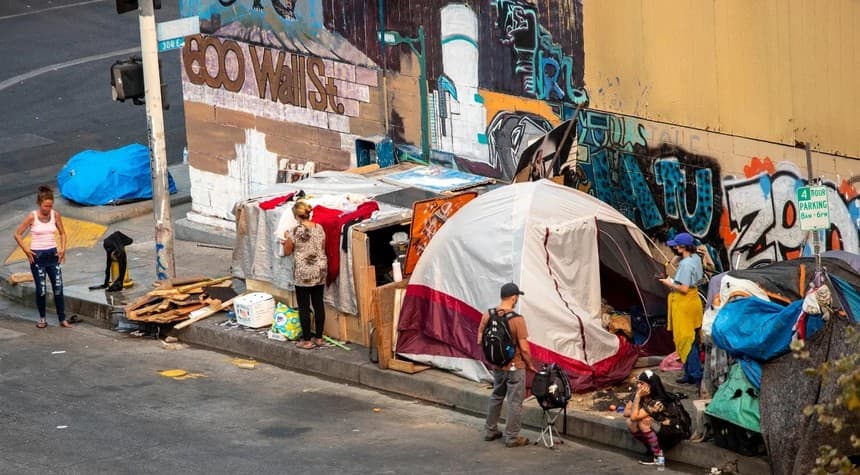
The trouble began when Armstrong ventured into the Skid Row area of downtown Los Angeles, where many residents are not registered to vote. According to the Justice Department, she began offering payment, typically between two and three dollars, to individuals who would complete voter registration forms. In some instances, prosecutors allege, Armstrong provided her former Los Angeles address for homeless individuals to list on these registration forms, effectively registering them to vote in both California and federal elections.
This case represents more than just one person's alleged misconduct. It illuminates the vulnerabilities in our electoral system and the potential for exploitation when financial incentives intersect with civic participation. The homeless population, already facing tremendous challenges, becomes particularly susceptible to such schemes.
Armstrong made her initial court appearance Monday and could face a maximum sentence of five years in federal prison if convicted. The plea agreement she has entered into suggests a recognition of wrongdoing, though the full details of that agreement remain to be disclosed.
Governor Gavin Newsom's office responded to inquiries by directing attention to previous statements, noting that anyone caught engaging in such activity should be investigated and prosecuted. That position, at least, suggests bipartisan recognition that the integrity of voter registration must be protected regardless of political considerations.
The broader implications of this case extend beyond one individual's actions. It raises questions about oversight in the petition circulation industry, the safeguards in place to prevent voter registration fraud, and the protections afforded to vulnerable populations who might be targeted for such schemes.
As this case proceeds through the federal court system, it serves as a stark reminder that the foundation of our democratic process rests on the integrity of each vote and each voter registration. When that foundation is compromised, whether through negligence or deliberate action, the entire structure of public confidence in elections becomes endangered.
The Justice Department's pursuit of this case signals a renewed focus on electoral integrity that transcends partisan politics and speaks to fundamental principles of fair play and honest governance.
Related: Long Island Rail Road Strike Enters Critical Phase as Monday Commute Looms