Treasury Department Targets Hamas-Linked Networks Behind Gaza Flotilla Campaign
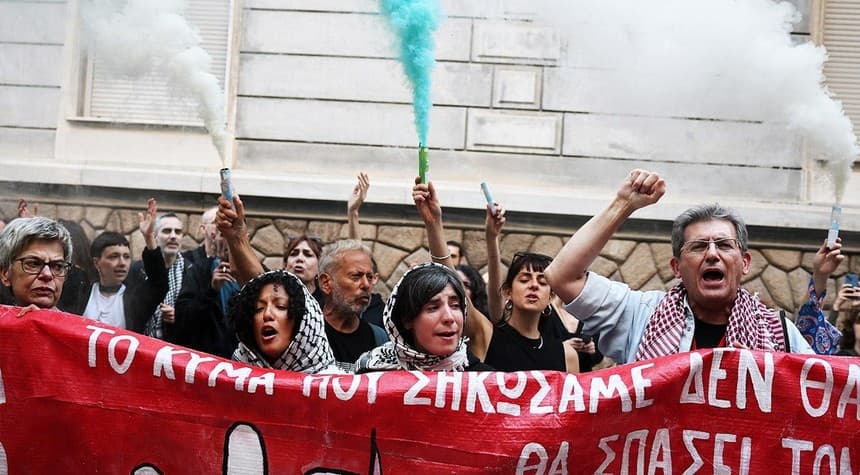
The warning signs have been flashing red for some time now, and this week the Trump administration took decisive action against what officials describe as a dangerous convergence of radical activism and Islamic extremism.
On Tuesday, the Treasury and State departments announced sanctions against several organizers connected to a Gaza-bound flotilla, accusing them of operating within networks linked to Hamas and the Muslim Brotherhood. The move represents more than just another round of financial penalties. It signals a broader recognition of how terrorist organizations have successfully embedded themselves within activist movements that present themselves as humanitarian in nature.
The Israeli navy intercepted dozens of boats from this flotilla in international waters off Cyprus, detaining hundreds of activists aboard. While those involved claim their mission was to deliver humanitarian aid to Gaza and challenge Israel's blockade, Israeli officials have characterized the effort as political theater designed to undermine the Jewish state's security measures.
What makes this situation particularly troubling is the web of connections that investigators have uncovered. The sanctions targeted not only Hamas operatives but also activists associated with Samidoun, which American officials identify as a front for the Popular Front for the Liberation of Palestine. The United States has designated the PFLP as a foreign terrorist organization. The Muslim Brotherhood, meanwhile, has earned terrorist designations from governments including the United Arab Emirates and Saudi Arabia. Both organizations share a common goal of establishing Islamic theocracies governed by sharia law.
An Egyptian scholar who fled his homeland after criticizing Hamas has sounded the alarm about this alliance between far-left activists and Islamist groups, warning that Western democracies face serious consequences if this partnership continues to grow unchecked.
The activist ecosystem supporting the flotilla campaign reveals a curious marriage of ideologies. Organizations like CodePink and the People's Forum have championed these efforts, despite receiving funding from sources that raise significant questions about their true motivations. Both nonprofits have received support from Neville Roy Singham, an American Marxist expatriate living in Shanghai who promotes the agenda of the Chinese Communist Party.
Following the Israeli interception, CodePink co-founder Medea Benjamin released a video protesting what she called the "kidnapping" of flotilla members, going so far as to label Israel a "pariah state." The People's Forum similarly demanded the release of detained activists.
The Treasury Department's strategy appears focused on exposing networks that cloak themselves in humanitarian or civil-society language while advancing causes aligned with Hamas. This approach recognizes a fundamental truth that many in the media have been reluctant to acknowledge: not every organization claiming to champion human rights actually serves that noble purpose.
Israeli officials have stated that no humanitarian aid was found aboard the intercepted flotilla vessels, a claim that calls into question the stated intentions of the mission's organizers.
The sanctions package sends a clear message that the United States will not turn a blind eye to the exploitation of activist movements by terrorist organizations and their sympathizers. Whether this action proves sufficient to disrupt these networks remains to be seen, but it represents an important first step in confronting a threat that operates in the shadows of legitimate civil society.
The question facing Western democracies is whether they will recognize this alliance for what it is before the consequences become more severe.
Related: Senate Republicans Confirm 49 Trump Nominees in Single Day Push