The wheels of government turn in mysterious ways, and Thursday’s Senate Homeland Security Committee vote proved that point once again. In a scene that would have been difficult to predict just days ago, President Trump’s nominee for Homeland Security Secretary cleared a crucial hurdle, though not without considerable drama.
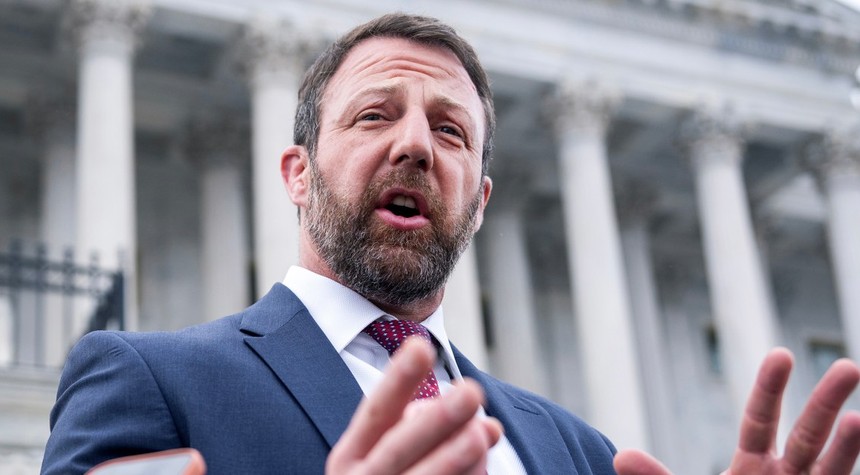
Senator Markwayne Mullin of Oklahoma advanced to the full Senate for consideration with an 8-7 committee vote, but the path forward revealed deep fractures within both parties. The vote came just one day after what witnesses described as a contentious confirmation hearing that raised serious questions about the nominee’s temperament.
Here is where the story takes an unexpected turn. Senator Rand Paul of Kentucky, the committee chairman and a Republican, voted against his own party’s nominee. Paul did not mince words about his reasoning, stating that Mullin attempted to justify a violent attack against him. The Kentucky senator questioned whether someone with what he termed “anger issues” should lead agencies as critical as ICE and Border Patrol.
“You cannot restore law and order with someone who has an anger problem,” Paul declared. “America deserves better.”
By simple mathematics, Mullin’s nomination should have stalled right there in committee. The panel splits evenly between eight Republicans and seven Democrats, and without Paul’s support, the nomination needed Democratic votes to advance.
Enter Senator John Fetterman of Pennsylvania, who broke ranks with his Democratic colleagues to provide the crucial eighth vote. Fetterman’s decision carries particular weight given his previous stance on the department’s leadership. He had publicly called for the firing of outgoing Secretary Kristi Noem, a demand the president ultimately fulfilled.
Fetterman characterized his support as rooted in practicality rather than partisanship. He emphasized the urgent need for leadership at a department that has been without permanent direction, stating his vote reflected a commitment to maintaining a constructive working relationship with Mullin for national security purposes.
The timing could not be more critical. The Department of Homeland Security faces mounting challenges that demand steady leadership. Immigration enforcement tactics have triggered significant backlash. The ongoing conflict in Iran requires constant attention. Perhaps most immediately, airport delays have plagued travelers since department funding lapsed on February 13.
President Trump has made clear his expectations, wanting Mullin in place by March 31. That deadline looms large as the department struggles with operational challenges and public confidence issues.
Not all Democrats shared Fetterman’s perspective. Senator Gary Peters of Michigan, serving as the ranking member, delivered a sharp assessment of Mullin’s qualifications. Peters argued that the confirmation hearing demonstrated fundamental shortcomings in both experience and temperament necessary for leading such a vital department.
“He has failed to be forthright and transparent,” Peters stated before the committee vote, adding that Mullin lacks what is needed to restore trust among ordinary Americans and members of Congress.
The nomination now heads to the full Senate floor, where Mullin will need 51 votes for confirmation. While no vote has been scheduled, it could occur as early as next week.
This confirmation process has exposed the complicated political calculations facing both parties. For Republicans, the question becomes whether party loyalty outweighs concerns about temperament. For Democrats, the choice involves balancing opposition to the administration against the practical need for departmental leadership during turbulent times.
The American people deserve answers about who will lead an agency so central to their security and daily lives. They also deserve leaders who can handle the pressure without losing their composure.
Related: DHS Nominee Mullin Retreats From Earlier Remarks About Minneapolis Shooting Victim