The political winds in Georgia are blowing fierce and unpredictable this primary season, and Tuesday night’s results in the Republican gubernatorial race tell a story that ought to make both party insiders and grassroots conservatives sit up and take notice.
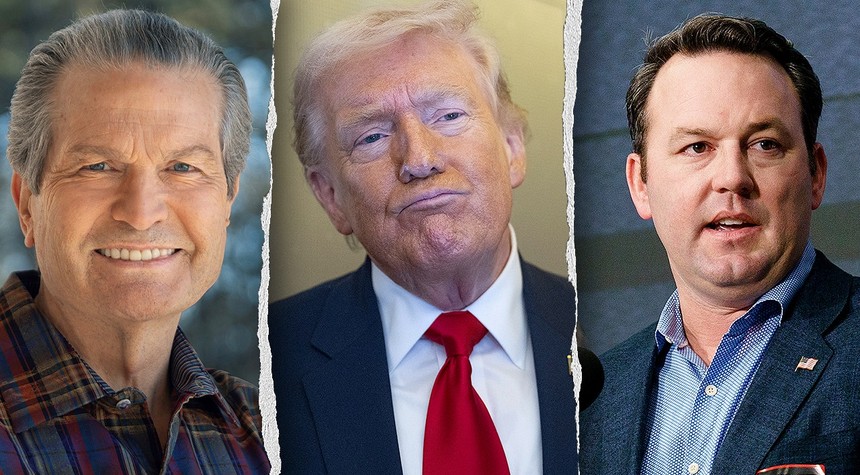
Lieutenant Governor Burt Jones, carrying the considerable weight of President Donald Trump’s endorsement on his shoulders, failed to secure the outright victory that many political observers expected. Instead, Jones now finds himself headed to a June 16 runoff against healthcare executive and billionaire businessman Rick Jackson. The message from Georgia voters appears clear: an endorsement from the president, while valuable, does not guarantee a first-round knockout in the Peach State.
Neither Jones nor Jackson managed to cross that critical 50% threshold needed to claim the Republican nomination outright. The race, which featured a crowded field of eight candidates including state Attorney General Chris Carr and Georgia Secretary of State Brad Raffensperger, has now narrowed to a two-man contest that promises to test whether Georgia Republicans prefer political experience or outsider credentials.
Jones wasted no time framing the runoff in stark terms. “Tonight, Georgia sent a clear message — you can’t buy this state and now, Georgia, it’s time to finish the drill,” he declared in a statement that took direct aim at his opponent’s considerable personal wealth. The lieutenant governor is betting that voters will view Jackson’s billionaire status with suspicion rather than admiration.
Jackson, for his part, is leaning hard into his outsider status and painting Jones as the embodiment of everything voters claim to dislike about career politicians. “In the weeks ahead, Burt Jones will come after us even harder than he already has because he doesn’t want his cartel broken up,” Jackson said, deploying the kind of populist language that has resonated with Republican primary voters in recent cycles. “I’m an outsider who’s going to shake things up.”
The stakes in this race extend far beyond Georgia’s borders. The governor’s mansion in Atlanta has become a prize of enormous strategic importance, particularly as the state continues to play a pivotal role in presidential elections. Governor Brian Kemp, who is term-limited and cannot seek reelection, has presided over a period of conservative governance that has nonetheless been marked by tensions with Trump over the 2020 election results.
The question now facing Georgia Republicans is whether they want continuity through Jones, who has served as lieutenant governor and carries Trump’s blessing, or disruption through Jackson, who promises to bring a businessman’s perspective to state government but lacks the president’s explicit backing.
The next few weeks will reveal whether Trump’s endorsement proves decisive in a head-to-head matchup or whether Georgia Republicans are ready to chart their own course. One thing remains certain: the outcome of this runoff will send ripples through Republican politics nationwide and offer important lessons about the enduring influence of presidential endorsements in the post-2024 political landscape.
Georgia voters will render their final verdict on June 16.
Related: Senate Republicans Confirm 49 Trump Nominees in Single Day Push