
In the heart of Mississippi, a small town’s architectural heritage is writing a new chapter in American preservation. Laurel, Mississippi, once a bustling lumber town, is experiencing a renaissance that speaks to something deeper in our national character – the desire to rebuild, restore, and reconnect with our shared history.
Walking the streets of Laurel today, one can’t help but notice the careful marriage of past and present. Century-old Craftsman bungalows stand as silent witnesses to the town’s lumber boom days of the 1890s through 1920s. These homes, built when Laurel embraced the City Beautiful Movement, tell a story of American ambition and civic pride.
The movement, which gained momentum following the 1893 World’s Columbian Exposition in Chicago, wasn’t just about pretty buildings. It represented a fundamental belief that thoughtful urban design could elevate communities and strengthen the social fabric of American life. Laurel’s founders, including visionary Catherine Marshall Gardiner, translated this philosophy into reality through tree-lined avenues, carefully planned parks, and architectural standards that would stand the test of time.
Today’s restoration efforts in Laurel reveal the bones of this grand vision. Take, for instance, a 1910 Craftsman bungalow that recently came to market. Despite its current condition – complete with sagging floors and broken fireplaces – the home’s sturdy columns, original heart-pine floors, and classic architectural details speak to the craftsmanship of a bygone era.
The restoration movement in Laurel isn’t occurring in isolation. It’s part of a larger national conversation about preserving America’s architectural heritage while building for the future. The town’s revival has sparked a renaissance in local craftsmanship, with artisans and builders finding steady work returning historic homes to their former glory.
This architectural preservation movement traces its roots to European influences, particularly Baron Georges-Eugène Haussmann’s transformation of Paris in the mid-19th century. His vision of wide boulevards and harmonious design inspired American urban planners, who saw in these principles a way to create more livable, beautiful communities.
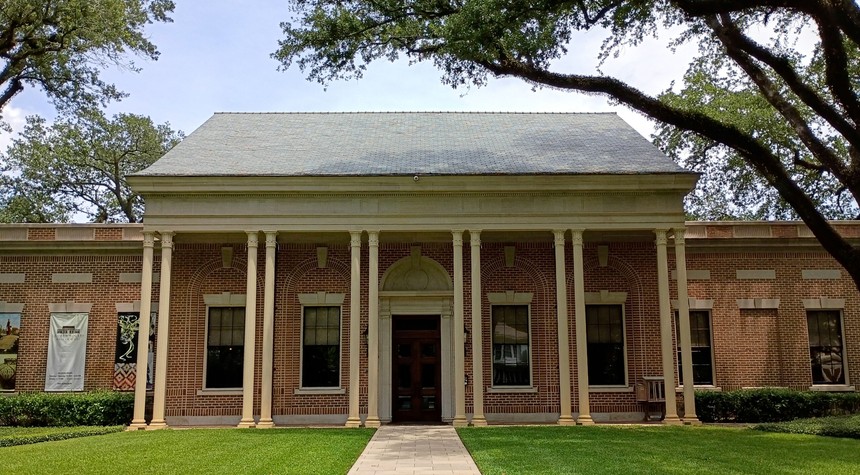
In Laurel, evidence of this influence remains in the broad streets, public parks, and the Beaux-Arts Lauren Rogers Museum of Art. These elements continue to serve their original purpose – fostering community connection and civic pride.
As America grapples with questions of identity and community in the 21st century, Laurel’s story offers a compelling reminder: our architectural heritage isn’t just about preserving old buildings. It’s about maintaining the physical framework that enables communities to thrive and citizens to connect with their shared history and each other.
The revival of Laurel demonstrates that when we preserve our architectural heritage, we do more than save old buildings – we restore the foundational elements that make American communities strong. As this small Southern town shows, sometimes the path forward requires a thoughtful look back at the principles that shaped our nation’s communities in the first place.
Related: Battle Brews Between Cities and White House Over Guard Authority