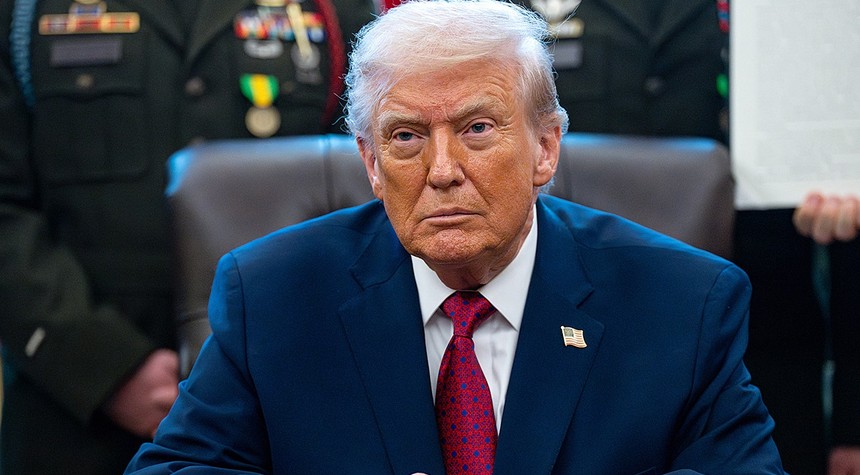
The halls of Congress witnessed high drama Thursday as House Republicans, clinging to their razor-thin majority by their fingernails, managed to defeat a bipartisan resolution that would have handcuffed President Donald Trump’s military options in Venezuela.
The final tally tells the story: 215 to 215, with the measure falling one vote shy of passage. In the world of legislative arithmetic, that is about as close as it gets.
Speaker Mike Johnson of Louisiana found himself in a tight spot, holding the vote open for more than twenty minutes while Republicans scrambled to shore up their opposition. The tension in the chamber was palpable. Representative Pat Ryan of New York, a Democrat, could be heard shouting demands to close the vote as Republicans worked frantically to solidify their ranks.
The resolution ultimately met its demise when Representative Wesley Hunt of Texas arrived late to the chamber, breaking the deadlock and providing the crucial vote needed to kill the measure.
Only two Republicans broke with their party: Representative Thomas Massie of Kentucky, who co-sponsored the resolution alongside Representative Jim McGovern of Massachusetts, and Representative Don Bacon of Nebraska. Their willingness to cross party lines on a matter of presidential war powers deserves note, regardless of where one stands on the issue.
The resolution in question would have directed President Trump to remove any troops deployed to Venezuela. Administration officials, including Secretary of State Marco Rubio, maintain that no American armed forces are currently stationed in the country, though Trump has ordered a naval blockade off Venezuela’s coast. The distinction between troops on the ground and naval forces offshore may seem technical, but it matters in the language of war powers.
The White House did not mince words in its opposition to the measure. A spokesperson characterized the resolution as an attempt by members of Congress to “usurp the authority of the commander in chief to take vital actions to strengthen our national security and stop drugs and criminals from entering our homeland.”
Speaker Johnson, speaking to reporters before the vote, expressed confidence that Republicans would hold together. He framed the issue in constitutional terms, arguing that as the world’s last great superpower, America must allow its president the authority vested in him as commander in chief of the armed forces.
“I don’t think we need to get in the way of that,” Johnson stated plainly.
The debate reflects a familiar tension in American governance: the balance between congressional authority to declare war and presidential power to conduct military operations. The Constitution grants Congress the power to declare war, yet presidents have long claimed broader authority as commander in chief to deploy forces and conduct operations short of formal warfare.
This same battle is playing out in the Senate, where a similar effort aims to restrict the administration’s military options in Venezuela. The outcome in the upper chamber remains uncertain, though the House vote suggests the administration retains strong support among Republicans for maintaining maximum flexibility in dealing with the crisis in Venezuela.
The narrow margin of victory underscores the precarious nature of Republican control in the House, where every vote counts and late arrivals can mean the difference between success and failure.
Related: Pro-Life Group Demands Federal Action on Abortion Pill Distribution Practices