Illinois Governor Demands Trump Officials Testify Over Immigration Enforcement Operations
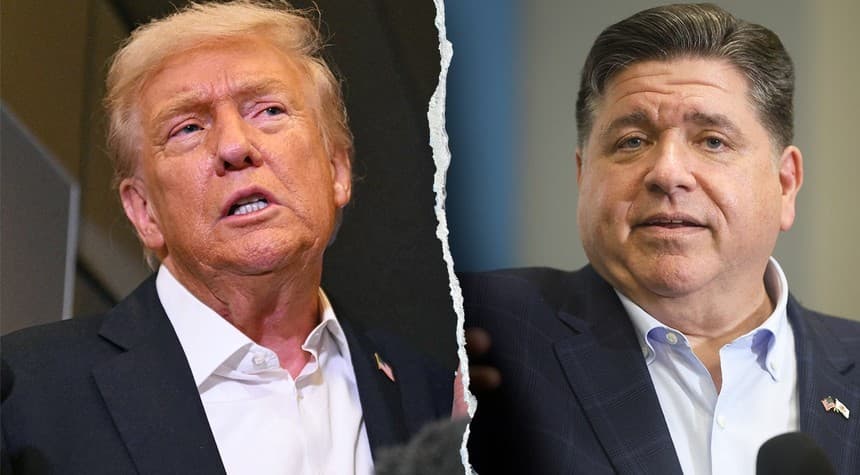
Courage, as they say, is not always found in the same place twice. And these days in Illinois, the definition of courage seems to depend entirely on which side of the immigration enforcement debate you find yourself standing.
Illinois Governor J.B. Pritzker has taken the extraordinary step of demanding testimony from current and former Trump administration officials regarding federal immigration enforcement operations conducted within his state's borders. The governor established what he calls the "Illinois Accountability Commission" following Operation Midway Blitz, a federal immigration enforcement action that has become a flashpoint in the ongoing battle between state sanctuary policies and federal immigration law.
The commission, chaired by former Clinton-appointed federal judge Rubén Castillo, has sent formal letters requesting testimony from a roster of high-profile officials. The list reads like a who's who of the Trump administration's immigration enforcement apparatus: White House deputy chief of staff Stephen Miller, border czar Tom Homan, former Homeland Security Secretary Kristi Noem, acting ICE director Todd Lyons, former DHS Deputy Assistant Secretary Tricia McLaughlin, and Customs and Border Patrol Commissioner Rodney Scott.
Governor Pritzker minced no words in his stated intentions. He claims the commission exists to "preserve the truth and document how Donald Trump and his accomplices violated the rights of Illinoisans and terrorized our communities." Strong language, to be certain, and language that demands we ask some hard questions about what actually constitutes terrorism and whose rights are truly being violated.
The commission has scheduled public hearings for late April, requesting these officials answer "directly to the people of Illinois for the chaos and violence they unleashed."
The White House response came swiftly and without diplomatic niceties. A spokesperson dismissed the entire endeavor as nothing more than a "political stunt" designed to elevate Pritzker's national profile ahead of a potential presidential campaign. The administration's statement pulled no punches, characterizing the Illinois governor in decidedly unflattering terms.
This confrontation represents more than just another skirmish in the ongoing immigration debate. It raises fundamental questions about the relationship between state and federal authority, questions that have echoed through American history since the founding.
The backdrop to this political theater cannot be ignored. Chicago recently experienced tragedy when a student was allegedly murdered by an individual in the country illegally. Critics of sanctuary city policies point to such incidents as predictable consequences of refusing to cooperate with federal immigration enforcement.
The Department of Homeland Security has been vocal in its criticism of governors like Pritzker, arguing that ignored ICE detainers put lives at risk. When local jurisdictions refuse to honor federal requests to hold individuals for immigration enforcement, they release them back into communities where they may pose dangers that could have been prevented.
President Trump has escalated the standoff, suggesting aboard Air Force One that he might invoke the Insurrection Act to address violent crime in Chicago. He urged Pritzker to "beg for help," language that underscores the personal animosity that has developed between the two leaders.
The question facing Illinois residents and Americans watching from afar is straightforward: Is this commission a legitimate accountability measure, or is it political grandstanding? The answer may depend less on the facts than on one's perspective about who deserves protection and who deserves enforcement.
What remains undeniable is that real people are caught in the middle of this political crossfire, and their safety should transcend partisan positioning.
Related: Iran Shoots Down U.S. Fighter Jet After Trump Declared Their Defenses Obliterated