Latest Epstein Document Release Names Gates, Musk and Former Royal Family Member
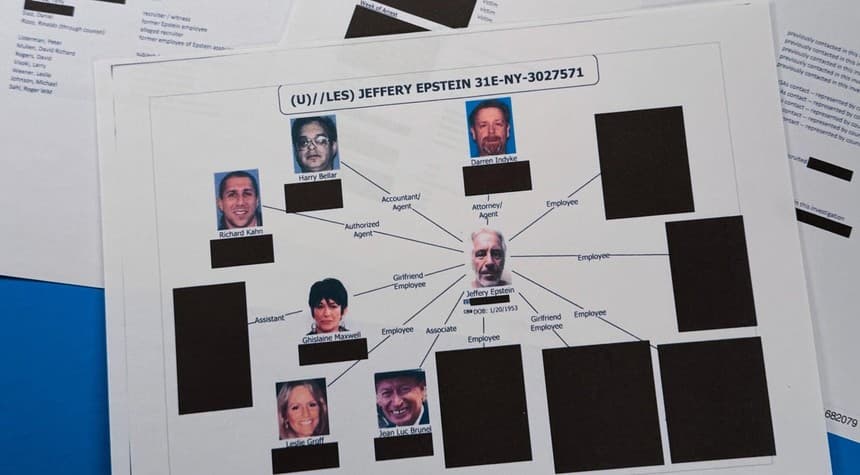
The Justice Department finally released another batch of Jeffrey Epstein files on Friday, arriving more than 40 days after the December 19 legal deadline established by Congress and signed into law by President Trump last November.
This delay raises serious questions about accountability and transparency within our federal agencies. When Congress passes a law with a specific deadline, the American people have every right to expect compliance, not bureaucratic foot-dragging.
The newly released documents contain photographs and correspondence involving several prominent individuals, including tech mogul Elon Musk, Microsoft founder Bill Gates, and Andrew Mountbatten-Windsor, formerly known as Prince Andrew. None of these individuals have been charged with wrongdoing in connection with these files.
The materials include photographs of Mountbatten-Windsor in compromising positions with an unidentified woman. While both individuals appear fully clothed in the images, the former prince is shown on all fours over the woman, in one instance touching her abdomen. The context, location, and date of these photographs remain unclear.
Mountbatten-Windsor, brother to King Charles and son of the late Queen Elizabeth, has consistently denied any wrongdoing. However, the British royal family stripped him of his titles and official duties following the Epstein scandal. British Prime Minister Keir Starmer suggested over the weekend that Mountbatten-Windsor should cooperate with American investigators and share whatever information he possesses about Epstein's activities.
The House Oversight Committee has requested a transcribed interview with Mountbatten-Windsor regarding his relationship with Epstein. That request has gone unanswered.
Email correspondence between Musk and Epstein, dating back more than a decade, suggests the two men spent time together during holiday periods in the Caribbean. The exchanges indicate Musk may have visited Epstein's private island at least once, though the full extent of their relationship remains under review.
This latest document release follows earlier batches that included emails and photographs featuring President Trump, former President Bill Clinton, Rolling Stones frontman Mick Jagger, filmmaker Woody Allen, and former Treasury Secretary Larry Summers, among others. Again, appearance in these files does not constitute evidence of criminal activity.
Multiple news organizations continue reviewing the extensive documentation independently and through collaborative efforts. The sheer volume of material requires careful examination to separate fact from speculation and to understand the full scope of Epstein's connections to powerful figures across politics, business, and entertainment.
The Epstein Files Transparency Act passed with bipartisan support, reflecting a rare moment of congressional unity on the need for public disclosure. The Justice Department's failure to meet the statutory deadline undermines that legislative intent and erodes public trust at a time when Americans deserve answers.
As journalists continue sifting through thousands of pages of documents, the central question remains: why did it take federal officials more than six weeks past the legal deadline to release information that Congress determined the public has a right to see? That question demands an answer from the Justice Department, and the American people should accept nothing less than full accountability.
Related: Two GOP Senators Break With Trump on Government Funding Package