Lewinsky Says She Still Lives With Fear From Public Shaming of Clinton Affair
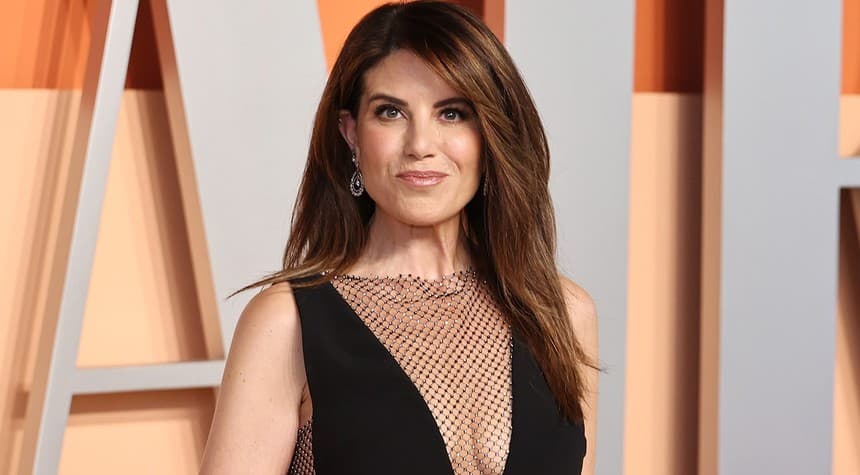
Courage is a curious thing. Sometimes it shows up on battlefields. Sometimes it appears in the quiet moments when someone decides to speak an uncomfortable truth about their own pain.
Monica Lewinsky is doing just that nearly three decades after becoming a household name for all the wrong reasons. In a recent conversation that cuts straight to the bone, she revealed that the fallout from her affair with President Bill Clinton continues to cast long shadows across her life.
Speaking with actress Jameela Jamil on her own podcast, Lewinsky pulled back the curtain on what it means to survive public shaming on a scale few Americans have ever experienced. The discussion centered on trauma, identity, and the peculiar burden of being forever defined by the worst chapter of your youth.
When Jamil asked how Lewinsky is managing after years of relentless scrutiny, the answer was both hopeful and haunting. Lewinsky acknowledged she has found greater confidence in herself as a person, yet made clear the wounds have not fully healed.
"I think I fall in a place where I feel more confident in myself as a person," Lewinsky explained. "I feel like every time I'm able to be more myself in the world and have it reflected back to me that that's what's been received, I think that I shed skin of trauma for myself from the older days."
That phrase deserves a moment of consideration. Shedding skin of trauma. It suggests an ongoing process, not a destination reached. Lewinsky is not claiming to have conquered her past, but rather to be engaged in the hard work of healing from it.
Jamil pressed on the particularly cruel aspects of Lewinsky's experience, asking about having her life, identity, and appearance dissected by millions. It was a question that gets at something fundamental about the scandal that consumed Washington in the late 1990s. While President Clinton faced impeachment proceedings and political consequences, Lewinsky endured a different kind of punishment, one delivered by a media circus and a public eager to pass judgment on a young woman caught in an impossible situation.
The timing of this conversation matters. We are approaching the 30-year mark since the scandal broke, yet Lewinsky remains tethered to those events in ways that Bill Clinton simply is not. The former president has enjoyed a post-presidency filled with speaking engagements, foundation work, and general rehabilitation of his public image. Lewinsky, by contrast, has had to build an entirely new identity while carrying the weight of those days in the White House.
This is not ancient history gathering dust in some archive. This is a woman in her fifties still working through trauma inflicted when she was barely out of college. That ought to give us pause about how we treat people caught in the crosshairs of scandal, regardless of their choices or mistakes.
The question worth asking is whether we have learned anything from what happened to Monica Lewinsky. In an age of social media pile-ons and instant judgment, the answer is far from clear.
Related: White House Expands Mexico City Policy to Include Gender Ideology Restrictions