Mamdani Blocks NYPD Protest Bill as Tensions With City Council Speaker Escalate
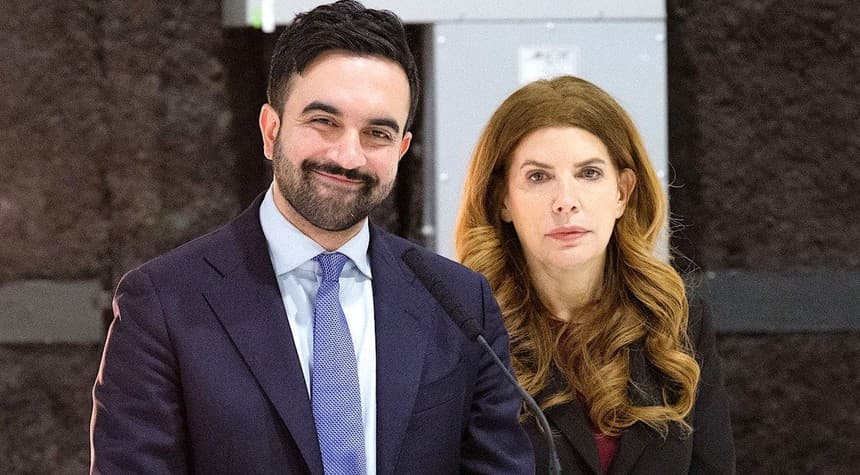
The ink is barely dry on his oath of office, and already New York City's new mayor finds himself in a constitutional tug-of-war that speaks volumes about the challenges facing America's largest city.
Mayor Zohran Mamdani issued his first veto Friday, striking down a City Council measure that would have required the NYPD to publicly outline its strategies for managing protests near schools and educational facilities. The move marks an escalating power struggle with Council Speaker Julie Menin over fundamental questions of policing, public safety, and constitutional rights.
Now, this is not just political theater. The stakes are real, and the implications reach far beyond City Hall.
Mamdani's veto statement raised concerns that deserve serious consideration. The mayor argued that the bill's definition of "educational institution" was so broad it could sweep up universities, museums, and even teaching hospitals under protest restrictions. His worry is that such overreach could handcuff workers protesting immigration enforcement, college students advocating for divestment from fossil fuels, or demonstrators supporting various causes.
"Int. 175-B is not a narrow public safety measure," Mamdani wrote, noting that nearly a dozen unions have sounded alarms about the legislation's potential impact on their organizing rights. Labor groups, reproductive rights advocates, and immigration organizations have all expressed reservations.
But Speaker Menin is not backing down. She is working to gather the votes necessary to override the mayor's veto, a task that requires flipping just four Council members. The bill passed 30-19 last month, falling short of the veto-proof threshold by that narrow margin.
Menin's position is equally principled. She contends that students should be able to enter and exit their schools without fear of harassment or intimidation, and that the bill merely requires the NYPD to clarify how it will ensure safe access while protecting First Amendment rights.
"This bill simply requires the NYPD to clearly outline how it will ensure safe access when there are threats of obstruction or physical injury, while fully protecting First Amendment rights," Menin stated.
The clash between these two Democratic leaders reveals deeper fault lines in progressive politics. On one side stands the traditional concern for public order and student safety. On the other, worries about government overreach and the protection of constitutional rights to assembly and protest.
This early confrontation between Mamdani and Menin sets a contentious tone for what promises to be a challenging tenure. The mayor's willingness to use his veto power so early suggests he will not be a rubber stamp for the Council, even when controlled by members of his own party.
The coming days will reveal whether Menin can secure those four additional votes. A successful override would be a significant political setback for the new mayor and could embolden the Council to challenge his authority on future matters.
What we are witnessing is democracy in action, messy and contentious as it often is. The question facing New Yorkers is whether their elected officials can find common ground on protecting both safety and liberty, or whether this early clash portends years of gridlock ahead.
Related: President Questions How Federal Reserve Renovation Ballooned From Millions to Billions