
Courage and controversy often walk hand in hand in American politics, and New York City’s newest mayor is proving that adage true once again.
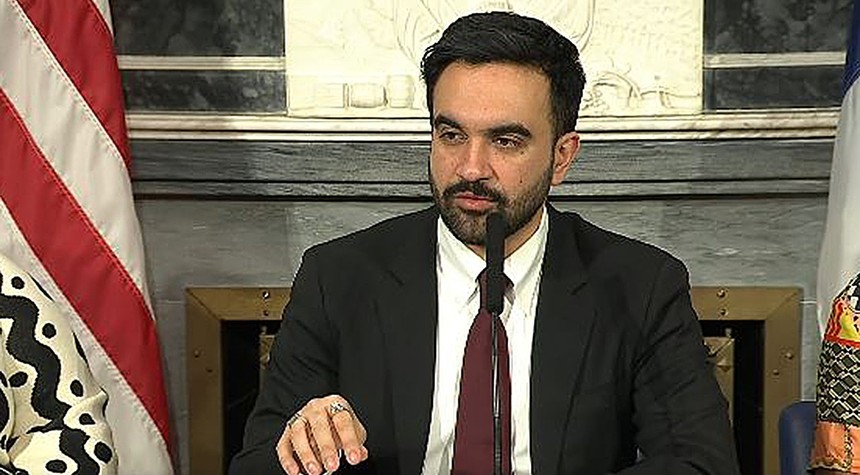
Mayor Zohran Mamdani stood before reporters Friday and drew a line in the sand that will surely resonate far beyond the five boroughs. His message was simple, direct, and certain to ignite fierce debate across kitchen tables and Capitol Hill alike: New York’s universal pre-kindergarten and 3-K programs will not inquire about the immigration status of enrolling children.
“Just to put it very clearly, these are programs for every single New Yorker,” Mamdani declared during a media roundtable discussion. The mayor, who took office at the beginning of the year, left no room for interpretation about his administration’s stance.
“These are not programs that are going to ask the immigration status of any one of the children,” he continued. “All of those children are New Yorkers. They should all be enrolled in 3-K and pre-K, no matter where they were born or where they come from.”
The mayor then reminded those assembled that New York proudly maintains its status as a sanctuary city, a designation that carries significant weight in the current national conversation about immigration enforcement.
What does that mean in practical terms? According to Mamdani, federal immigration agents find themselves blocked from entering schools, hospitals, and city properties unless they arrive with specific documentation: a judicial warrant signed by a judge.
“We know that the vast majority of the time, ICE agents are not presenting that kind of documentation,” the mayor explained. “If they’re presenting any kind of documentation, it tends to be an administrative warrant. And, a lot of times, there isn’t any kind of documentation provided.”
This distinction between judicial and administrative warrants matters considerably. A judicial warrant requires a judge’s signature and meets a higher legal standard. An administrative warrant, by contrast, is issued by immigration officials themselves without judicial oversight.
The mayor’s announcement raises questions that cut to the heart of ongoing national debates about immigration policy, federal versus local authority, and the proper role of municipal governments in enforcing federal immigration law.
Critics will undoubtedly argue that such policies create incentives for illegal immigration and undermine federal law enforcement efforts. They will point to the costs borne by taxpayers and question whether limited educational resources should be guaranteed to children whose families entered the country illegally.
Supporters, meanwhile, will counter that children bear no responsibility for their parents’ immigration decisions and deserve access to education regardless of their legal status. They will cite research suggesting that educated children, whatever their background, contribute more to society than those denied schooling.
What remains beyond dispute is this: New York City has once again positioned itself at the center of America’s immigration debate. The consequences of this policy, both intended and unintended, will unfold in classrooms and courtrooms for years to come.
The question facing Americans is not whether this policy exists, but whether it represents wise governance or misguided compassion. That is a question each citizen must answer for themselves.
Related: House Republicans Narrowly Defeat War Powers Resolution on Venezuela