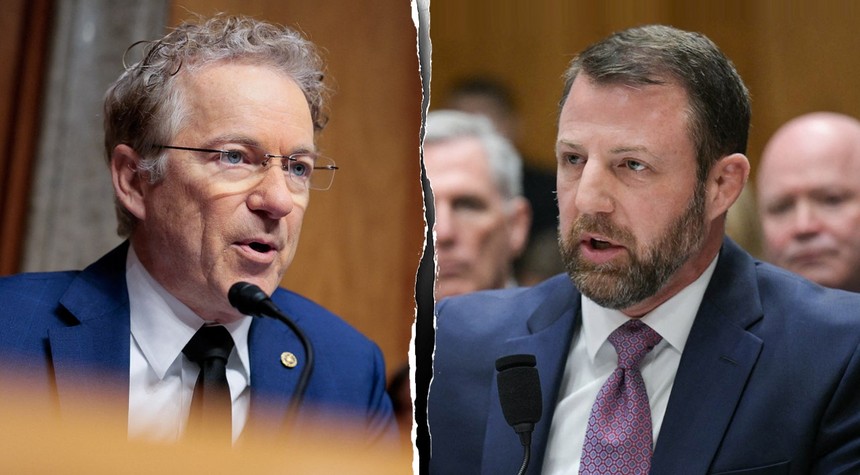
The confirmation hearing for Senator Markwayne Mullin to lead the Department of Homeland Security turned into something of a family squabble on Capitol Hill this week, and it is worth our attention.
President Trump has tapped the Oklahoma Republican to replace Kristi Noem at DHS, but the path forward has hit an unexpected snag from within his own party. Senator Rand Paul of Kentucky, chairing the Senate Homeland Security and Governmental Affairs Committee, opened the proceedings with what witnesses described as a tense exchange with his colleague, raising questions about temperament and fitness for the critical national security post.
The hearing exposed fractures that many Americans might find surprising. Here we have a Republican president’s nominee facing scrutiny from a Republican committee chairman, with the clock ticking toward a March 31 deadline that the White House has set for confirmation. This is not the smooth sailing that typically accompanies same-party nominations.
Paul’s concerns centered on matters of temperament and judgment, though the specific details of his objections reveal a chairman willing to exercise independent oversight regardless of political convenience. That kind of constitutional duty deserves recognition, even when it complicates the administration’s timeline.
The situation raises legitimate questions about the vetting process. Mullin has served in the Senate since 2023, after several terms in the House of Representatives. His record is known to his colleagues. Yet Paul’s public reservations suggest either previously unaired concerns or a belief that the demands of leading DHS require a different standard of evaluation than serving in the legislative branch.
The Department of Homeland Security stands as one of the federal government’s most sprawling and consequential agencies. With responsibilities ranging from border security to cybersecurity, from disaster response to counterterrorism, the secretary’s role demands steady leadership and sound judgment under pressure. The American people have a right to expect thorough examination of anyone nominated to lead it.
What makes this hearing particularly noteworthy is the uncertainty surrounding whether the committee will even proceed to a confirmation vote. That Paul would leave this question hanging speaks to the seriousness of his concerns. Committee chairmen do not typically threaten to withhold votes on their own party’s nominees without substantial cause.
The compressed timeline adds another layer of complexity. The administration’s March 31 deadline leaves little room for extended deliberation or additional hearings. This creates tension between the desire for swift action and the constitutional obligation of advice and consent. Rushing major appointments rarely serves the public interest well, regardless of which party occupies the White House.
Mullin faced questioning from Democrats as well, though the real drama centered on the Republican chairman’s reservations. In an era of rigid partisan alignment, Paul’s willingness to publicly challenge a Republican nominee demonstrates that some senators still view their oversight role as transcending party loyalty.
The outcome remains uncertain. Whether Paul’s concerns will be addressed to his satisfaction, whether the committee will proceed to a vote, and whether Mullin will ultimately be confirmed all hang in the balance. What is clear is that the Senate’s constitutional role in confirming presidential appointments still carries weight, even when it proves inconvenient to political timelines.
Americans watching this process unfold should take note. This is how the system is supposed to work, even when it moves slowly and creates friction. The alternative is rubber-stamp approval, and that serves no one’s interests except those who prefer power without accountability.
Related: FBI Investigates Former Counterterrorism Chief Who Resigned Over Iran War Opposition