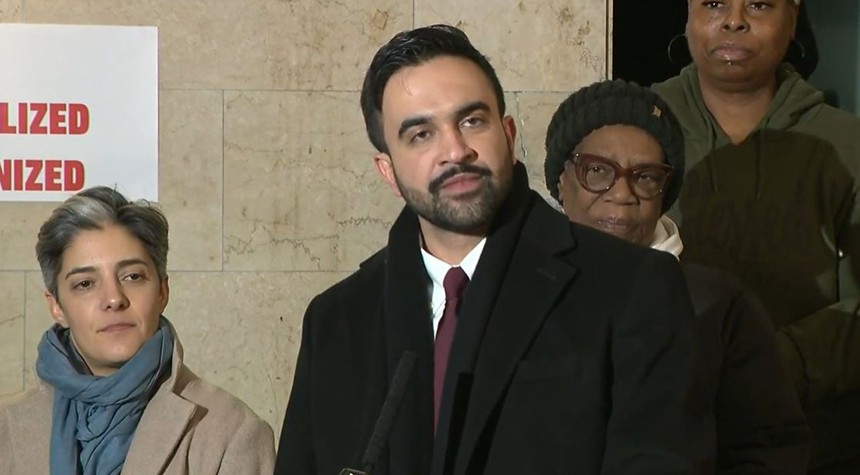
The ink had barely dried on his oath of office when New York City’s new mayor began what he describes as a fundamental reshaping of how America’s largest city handles housing and tenant relations.
Mayor Zohran Mamdani, sworn in at the stroke of midnight Thursday and again in a public ceremony hours later, wasted no time rolling out three executive orders aimed squarely at the city’s landlords and housing development processes. Speaking from a Brooklyn apartment building rather than the comfort of City Hall, Mamdani declared his administration would take what he termed “precedent-setting action” in a private landlord bankruptcy case involving 93 buildings across the city.
“Today is the start of a new era for New York City,” Mamdani announced. “It is inauguration day. It is also the day that the rent is due.”
The timing and location of his announcement tell you everything you need to know about where this administration plans to focus its energy. While previous mayors might have spent their first day settling into the corner office and making courtesy calls, Mamdani positioned himself as a warrior for tenants, framing his opening moves as a direct confrontation with property owners over housing conditions.
The new mayor painted a stark picture of New Yorkers leaving his inauguration ceremony only to return to apartments plagued by unresponsive landlords, rising rents, cockroach infestations, and inadequate heat. Whether this portrait accurately reflects the state of housing across all five boroughs remains a question worth examining, but it certainly sets the tone for an administration that appears ready to expand government intervention into private property matters.
The first executive order revives the Mayor’s Office to Protect Tenants, which Mamdani says will focus on resolving complaints through the city’s 311 system and holding landlords accountable for hazardous conditions. The mayor did not mince words, promising to hold what he called “slumlords” responsible for threats to tenant well-being.
The second order establishes a LIFT task force, standing for Land Inventory Focused on Tenants, designed to identify city-owned properties suitable for housing development by July 1. The third creates a SPEED task force, or Streamlining Procedures to Expedite Equitable Development, aimed at removing permitting barriers that slow construction.
Both task forces will operate under Deputy Mayor for Housing and Planning Lila Joseph, consolidating significant power over the city’s housing future in one office.
The question facing New Yorkers now is whether these “sweeping measures,” as Mamdani himself described them, will actually improve housing conditions or simply add another layer of bureaucracy to an already complex system. The mayor’s promise to intervene in private bankruptcy proceedings raises particular concerns about the proper role of government in contractual disputes between private parties.
Mamdani acknowledged these executive orders represent just the beginning of what he called “a comprehensive effort to champion the cause of tenants.” For property owners, developers, and those concerned about government overreach, that statement likely sounds less like a promise and more like a warning of things to come.
The city that never sleeps now has a mayor who appears determined to fundamentally alter the relationship between tenants, landlords, and city government. Whether this represents progress or problematic expansion of government power will become clearer in the months ahead.
Related: Harvard’s DEI Agenda Drives Out Longtime Professor as Alumni Voice Growing Concerns