Property Tax Hike Proposal Sparks Fury Among New Yorkers Promised Relief
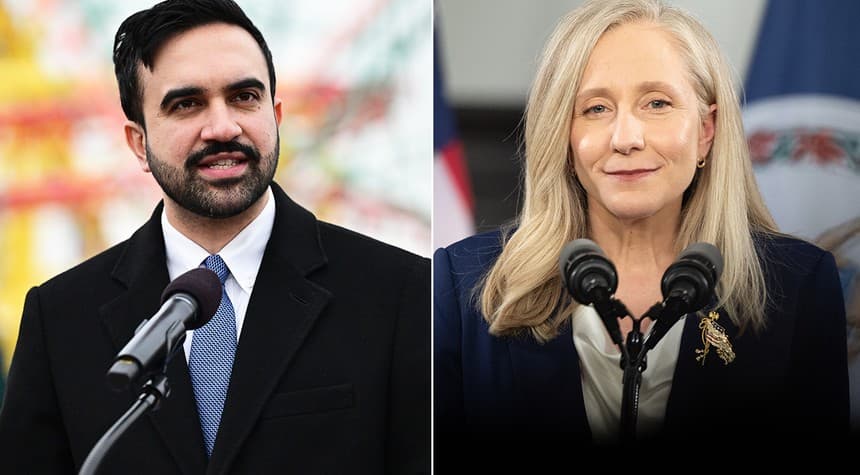
The promises sounded good on the campaign trail. Make life more affordable. Bring down costs. Help working families get ahead. But now, as the bills come due and the reality sets in, New York City residents are discovering that the rhetoric and the reality are two very different things.
"The water bill went up. The light bill went up. Now property taxes — what exactly are we doing here?" That question, posed by a frustrated resident at a recent public meeting, cuts right to the heart of the matter facing Mayor Zohran Mamdani and his administration.
The mayor, who campaigned explicitly on making life more affordable for New Yorkers, now finds himself defending a proposal to increase property taxes by 10%. For residents already struggling with rising utility costs and a housing market that seems determined to squeeze every last dollar from their wallets, this feels like a betrayal of the most fundamental kind.
This is not just a New York story. The pattern is repeating itself across the country wherever Democratic candidates rode into office on promises of economic relief. In Virginia, Governor Abigail Spanberger campaigned as a fierce critic of Republican economic policies. Today, she faces voter outrage as costs continue climbing and businesses flee what many see as an increasingly hostile economic climate.
The political mathematics here are not complicated. When you promise to make life more affordable and then preside over exactly the opposite, voters tend to remember. With midterm elections on the horizon, Democrats will need to demonstrate they can keep their promises, or they will face the consequences at the ballot box.
In New York City, home to nearly 9 million people and the world's financial capital, the stakes extend far beyond local politics. What happens here reverberates nationwide. Residents point to the proposed property tax hike, rising water bills, and higher electricity costs as clear evidence that the mayor's policies are moving in precisely the wrong direction.
The mayor's proposed rent freeze might sound like relief to struggling tenants, but economists across the political spectrum warn it could make matters worse. In a city where housing demand already far exceeds supply, such controls could discourage new construction, tighten inventory, and ultimately push prices even higher.
E.J. Antoni, chief economist at the Heritage Foundation, put it plainly: "Economists — whether they are on the right or on the left — essentially are in universal agreement that when the government implements price controls in the rental market, you end up with housing shortages."
Antoni argues that New York City's affordability challenges stem primarily from policy failures. "If we look at the ways in which New York City is more expensive than other places around the country, it is chiefly due to bad public policy that has imposed those costs. Doubling down on those government failures will only make it worse."
Edward Pinto, a senior fellow at the American Enterprise Institute, describes Mamdani's proposal to freeze rents while increasing property taxes as a "one-two wealth destruction punch." For tenants and homeowners alike, these policies could mean fewer housing options and higher costs over time.
The broader picture here is worth considering. When politicians promise to solve problems with more government intervention, they often create new problems that require even more intervention. It becomes a cycle that benefits no one except those who make careers out of promising solutions.
New Yorkers are learning this lesson the hard way. They voted for affordability and got tax hikes instead. They voted for relief and got more regulations. They voted for change and discovered that some things, unfortunately, never change at all.
The question now is whether voters will remember these broken promises when the next election arrives. If history is any guide, they will.
Related: New York Democrats Face Federal Investigation Over Nonprofit Kickback Allegations