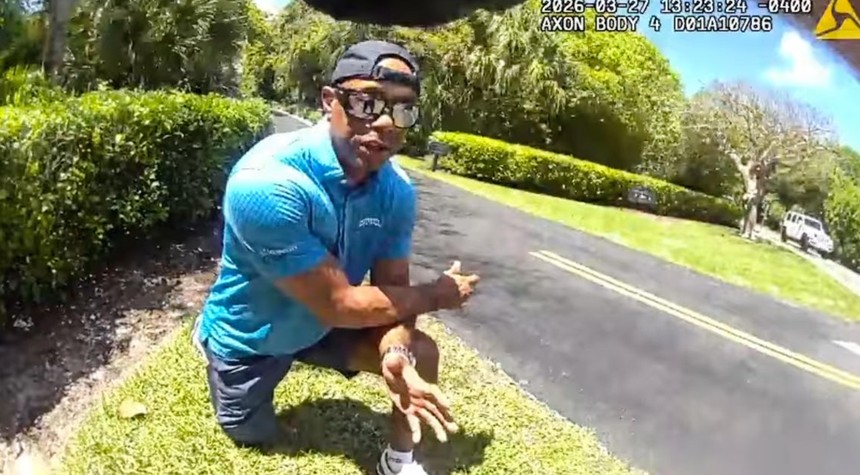
The wheels of justice turn with deliberate purpose, and in Florida, prosecutors are now digging deeper into the circumstances surrounding Tiger Woods’ recent arrest on suspicion of driving under the influence.
State attorneys for the 19th Judicial Circuit announced Tuesday their intention to issue a subpoena for the golf legend’s prescription drug records from Lewis Pharmacy in Palm Beach. The scope of their investigation is comprehensive, seeking all medication records from the beginning of this year through last month, right up to the time of Woods’ vehicle crash.
This is not a fishing expedition by any stretch. Prosecutors in Martin County have laid out exactly what they are after: the times prescriptions were filled, the number of pills dispensed, dosage amounts, and critically, any instructions or warnings that accompanied those medications, particularly regarding operating a vehicle while under their influence.
The pharmacy and Woods’ attorney, Doug Duncan, have ten days to file any objections to the subpoena. As of now, neither party has responded to requests for comment.
The 50-year-old Woods entered a not guilty plea to DUI charges last week, but the arrest report paints a troubling picture. Officers noted Woods presented with bloodshot eyes and pupils that were described as “extremely dilated.” Perhaps most significantly, two pills were discovered in Woods’ pants pocket, later identified as hydrocodone, a powerful painkiller.
Woods’ account of the accident itself raises additional questions. He told officers he had been looking down at his cellphone and adjusting the radio when the vehicle ahead of him, a pickup truck towing a trailer, began slowing to turn into a driveway. The arrest report indicates Woods swerved into the middle of the road during the incident.
Here is where the case takes an interesting turn. Woods submitted to a Breathalyzer test and, in the parlance of law enforcement, “blew triple zeroes,” indicating no alcohol in his system. However, he refused a urine test, which authorities requested.
The distinction matters. Driving under the influence encompasses more than alcohol. Prescription medications, even when legally obtained and used as directed, can impair a driver’s ability to operate a vehicle safely. The warnings on many prescription bottles make this abundantly clear.
Woods, a 15-time major champion whose career has been marked by both extraordinary triumph and personal struggle, announced last week that he would be “stepping away for a period of time to seek treatment and focus on my health.”
This is not Woods’ first encounter with law enforcement on DUI charges, though the previous arrest details were cut off in available records.
The subpoena for pharmacy records represents a logical next step in the investigation. Prosecutors are building their case methodically, seeking to establish what medications Woods was taking, whether he was following prescribed dosages, and whether he had been properly warned about the risks of driving while medicated.
For a man who once dominated his sport with precision and discipline, these are difficult days indeed. The legal process will now run its course, and the evidence will tell its own story.
Related: Federal Judge Rebukes Justice Department Over Deportation Case Timeline Demands