Courage. That is what it takes to stand up against fraud, waste, and abuse in our government systems. And this week, a federal judge gave the Trump administration the green light to continue doing exactly that in Minnesota.
Judge Eric Tostrud ruled that the Centers for Medicare and Medicaid Services can withhold more than $259 million in Medicaid funds from Minnesota while requiring the state to prove, payment by payment, that its reimbursements are legitimate. The decision represents a significant victory for the White House’s aggressive new anti-fraud campaign and sends a clear message that the days of turning a blind eye to taxpayer dollars being squandered are over.
The ruling came down in a 42-page order that methodically dismantled Minnesota’s legal challenge. Judge Tostrud, appointed by President Trump, found that the state’s lawsuit was premature and that a preliminary injunction was unwarranted. Perhaps most tellingly, he noted that “some of the legal theories Minnesota asserts are novel, and the law does not support them.”
This fight did not emerge from a vacuum. Minnesota earned itself unwanted national attention with the staggering Feeding Our Future fraud scandal, a scheme that bilked taxpayers out of $250 million. When fraud reaches that magnitude, it demands more than hand-wringing and promises to do better next time. It demands action.
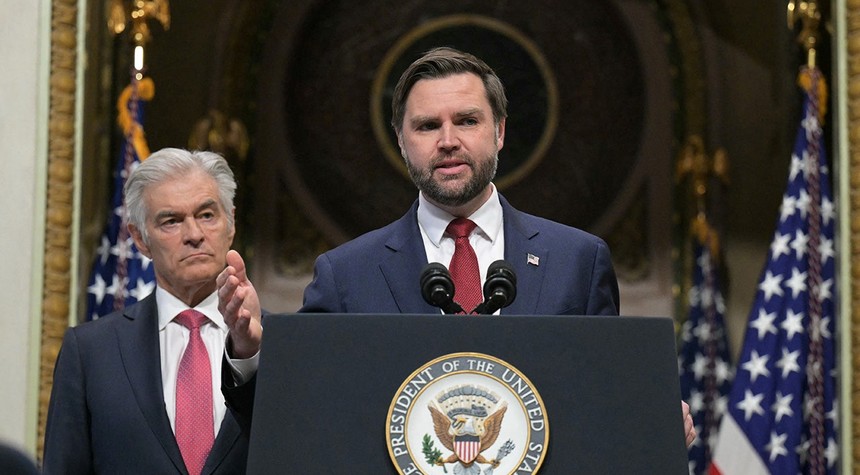
The Trump administration answered that call in March with an executive order establishing an anti-fraud task force. The order pulled no punches, stating plainly that “staggering fraud and waste in Minnesota alone is a case in point.” Vice President JD Vance was tapped to lead the effort as fraud czar, and the administration has deployed a multi-agency approach to root out corruption.
Under the leadership of Administrator Mehmet Oz, CMS has adopted a more proactive stance. Rather than waiting for fraud to be proven beyond all doubt, the agency is now temporarily withholding reimbursements to states when potential fraud is identified. This represents a fundamental shift in how the federal government protects taxpayer dollars.
Minnesota is not alone in facing scrutiny. California, New York, and Maine are also being examined for potential Medicaid deferrals. This broader approach suggests that the administration is serious about nationwide reform, not simply making an example of one state.
The implications of this case extend far beyond Minnesota’s borders. As more states face similar scrutiny, expect more litigation. Federal judges across the country will weigh in, and the legal battles may well escalate to higher courts. The fundamental question at stake is whether the federal government can take preventive action against potential fraud or must wait until the money has already been stolen.
For hardworking Americans who play by the rules and pay their taxes, this case matters deeply. Every dollar lost to fraud is a dollar that cannot go toward helping those who genuinely need assistance. Every fraudulent claim undermines public trust in safety net programs that serve legitimate purposes.
The judge’s decision this week affirms that the Trump administration has the authority to demand accountability before writing checks. That is not radical. That is responsible governance. Minnesota will need to demonstrate that its Medicaid payments are legitimate if it wants federal reimbursement. That standard should not be controversial.
As this anti-fraud campaign continues, Americans should pay close attention. The outcome will determine whether taxpayer dollars are protected or whether business as usual prevails.
Related: Paxton Senate Campaign Builds Steam as Congressional Support Grows Against Cornyn