
Courage, as they say, is not the absence of fear but the willingness to act despite it. The question now facing Washington is whether anyone has the courage to follow through on a law that passed with overwhelming bipartisan support just weeks ago.
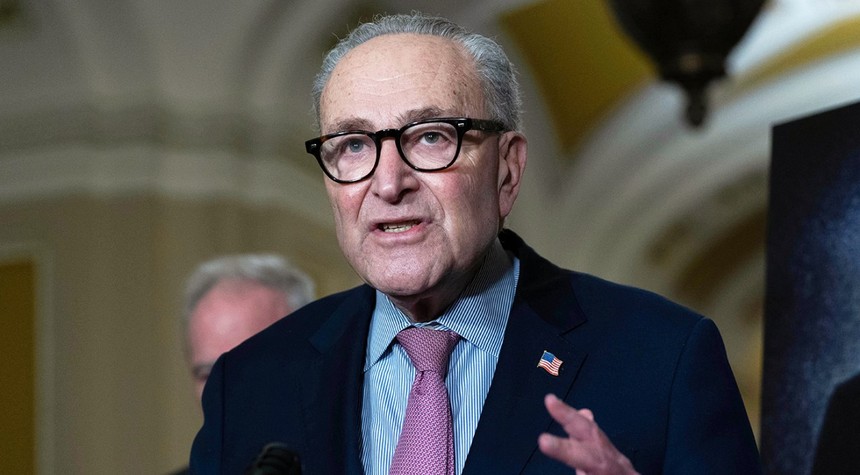
Senate Democratic Leader Chuck Schumer has drawn a line in the sand, announcing plans to introduce a resolution directing the Senate to sue the Justice Department over what he calls a blatant violation of the Epstein Files Transparency Act. The law, which Congress passed last month with near-unanimous support, required the Justice Department to release all files related to convicted sex offender Jeffrey Epstein by December 19. That deadline has come and gone, and the American people have received only a fraction of what they were promised.
The Justice Department released a limited set of documents on Friday, heavily redacted and offering little new information about Epstein’s criminal network. The administration’s reasoning centers on protecting victims, a noble cause that few would argue against. Deputy Attorney General Todd Blanche defended the partial release during a weekend interview, stating that lawyers are reviewing approximately one million pages of documents to ensure sensitive information about victims remains confidential.
“The reason why we are still reviewing documents and still continuing our process is simply to protect victims,” Blanche explained. He added that those complaining about the limited document production apparently do not want the department to protect victims, a characterization that oversimplifies a complex debate about transparency and accountability.
Here is where the matter gets thorny. The Epstein Files Transparency Act did not pass on a party-line vote. The House approved it 427 to 1, and the Senate passed it by unanimous consent. This was not a Democratic wish list or a Republican power play. This was Congress speaking with one voice, telling the executive branch that the American people deserve to know the full truth about one of the most disturbing criminal cases in recent memory.
Schumer’s frustration is palpable in his public statements. “The American people deserve full transparency, and Senate Democrats will use every tool at our disposal to ensure they get it,” he declared. “This administration cannot be allowed to hide the truth.”
The administration has pledged not to redact information about the president contained in the files, a commitment that should be noted. Yet the broader question remains unanswered. When Congress passes a law with explicit deadlines and requirements, can the executive branch simply decide to follow it at its own pace?
Schumer warned last week that there would be serious legal and political consequences if the Justice Department fails to comply fully with the law’s mandate. Now he appears ready to make good on that warning.
The tension here is real and consequential. Protecting victims is paramount, but so is following the law. The Justice Department had a month to prepare for this deadline. If more time was needed to properly redact victim information, the administration should have communicated that to Congress before the deadline passed, not after.
This is not about partisan politics. This is about whether laws mean what they say and whether deadlines are suggestions or requirements. The American people watched Congress come together in rare unity to demand transparency. They are now watching to see if that unity was merely theater or if it had substance behind it.
Related: Todd Blanche Denies Any Effort to Protect Trump or Others in Epstein File Disclosure