
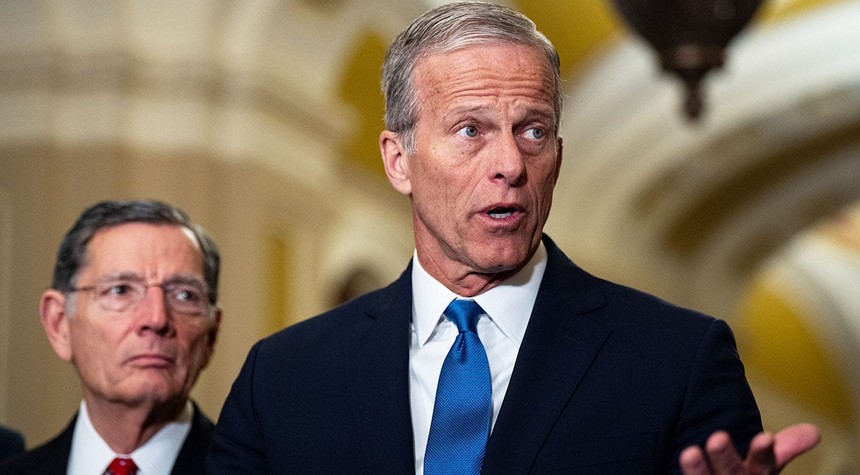
The wheels of government grind slowly, but they are grinding nonetheless. The Senate took its first meaningful step Monday evening toward keeping the federal government’s doors open, advancing a substantial funding package through a crucial procedural vote by an 81-14 margin.
This is not small potatoes we are talking about here. The three-bill package carries a $174 billion price tag and represents the kind of legislative heavy lifting that Washington often struggles to accomplish in these polarized times. The strong bipartisan support suggests that lawmakers on both sides of the aisle learned something from the longest government shutdown in American history, which occurred just months ago.
The package, dubbed a minibus in congressional parlance, sailed through the House last week and now appears headed for President Donald Trump’s desk before week’s end. The math tells the story: when 81 senators from both parties agree on anything in today’s climate, it means neither side wants to play chicken with a shutdown.
Senate Majority Leader John Thune of South Dakota has been working the corridors of power to ensure smooth passage, though Republicans face mounting pressure to address concerns that emerged during House consideration. Conservative members raised significant questions about fraud in Minnesota programs, concerns serious enough to spark what some called a rebellion in the lower chamber.
Thune has indicated that Republicans may tackle the Minnesota fraud situation through budget reconciliation, a procedural pathway that allows certain fiscal measures to advance with a simple majority rather than the 60-vote threshold typically required in the Senate. This approach would sidestep Democratic opposition while addressing conservative concerns about taxpayer dollars being misused.
Senate Minority Leader Chuck Schumer of New York made clear that Democrats are not interested in shutdown brinksmanship, stating his caucus wants to fund the appropriations bills completely. That kind of talk from leadership on both sides usually means a deal is within reach, though nothing is guaranteed until the final votes are tallied.
The timing matters here. With each passing day, the runway gets shorter for Congress to complete its work before funding expires. The strong procedural vote suggests that cooler heads are prevailing, but Washington has a way of snatching defeat from the jaws of victory when deadlines approach.
Vice President JD Vance has also entered the fray, taking action to address fraud concerns that have animated conservative members. His involvement signals that the administration is paying attention to the grassroots concerns that nearly derailed the House vote.
The question now is whether this bipartisan momentum can carry through to final passage. The Senate has cleared the first hurdle, but several more votes stand between now and a signed bill. In a city where political fortunes can shift faster than a prairie wind, nothing is certain until the president’s signature dries on the page.
What remains clear is that both parties recognize the political peril of another shutdown. Whether that recognition translates into completed legislation remains to be seen, but Monday’s vote was an encouraging sign that Washington might actually do its job this time around.
Related: Suspicious Object at Palm Beach Airport Prompts Security Changes for Trump Departure