Senate Hearing Reveals Alleged Cover-Up of COVID Lab Leak Investigation Findings
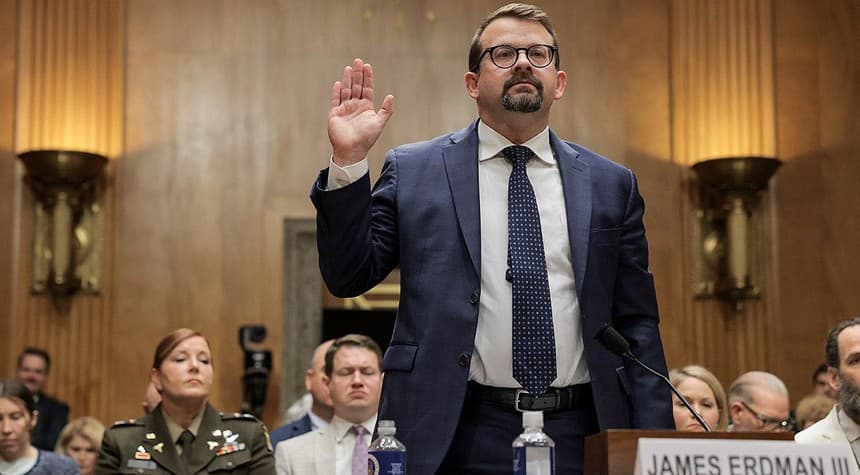
Courage, as they say, is not the absence of fear but action in the face of it. On Wednesday, a twenty-year veteran of the Central Intelligence Agency stepped forward to tell a story that raises fundamental questions about truth, transparency, and the American people's right to know what their government knows.
James Erdman III sat before the Senate Homeland Security and Governmental Affairs Committee and delivered testimony that cuts to the heart of one of the most consequential questions of our time. According to his account, the Biden administration deliberately suppressed intelligence analysis that identified a laboratory leak as the most likely origin of the COVID-19 pandemic.
Senator Rand Paul, the Kentucky Republican who chairs the committee's oversight panel, did not mince words about the gravity of the moment. He noted that Erdman chose to testify at considerable personal risk, driven by a principle that should unite Americans across the political spectrum: government secrecy cannot be allowed to metastasize into government impunity.
The committee had subpoenaed Erdman's testimony after previously interviewing him in a classified setting. This was not a casual decision. Subpoenas represent the exercise of Congress's constitutional duty to provide oversight of the executive branch, a duty that becomes all the more critical when allegations of cover-ups emerge.
Erdman's role gives his testimony particular weight. He worked in a joint capacity with the Director of National Intelligence's Director's Initiatives Group, specifically tasked with investigating the origins of COVID-19 over the past year. This was not peripheral work or speculation from the sidelines. This was someone inside the intelligence apparatus, working on the very question that has haunted the world since early 2020.
According to his testimony, CIA scientific analysts reached conclusions multiple times that pointed toward a laboratory origin for the virus. Yet these findings, Erdman alleges, were buried rather than brought to light.
The implications extend far beyond the particulars of this case. If a presidential administration can suppress intelligence analysis because it proves politically inconvenient or contradicts preferred narratives, then the entire foundation of informed democratic governance crumbles. The American people cannot make sound judgments about their leaders or their policies if the facts are hidden from view.
Erdman's decision to come forward also highlights the precarious position of whistleblowers within the intelligence community. These men and women take oaths to the Constitution, not to any particular administration. When they witness wrongdoing or deception, they face an agonizing choice between loyalty to their oath and the very real risks of retaliation.
The COVID-19 pandemic killed more than a million Americans and upended every aspect of our national life. Understanding its true origins is not an academic exercise. It bears directly on questions of accountability, future pandemic preparedness, and the nature of our relationship with foreign powers.
Senator Paul's committee now faces the responsibility of following these allegations wherever they lead. The American people deserve nothing less than a full accounting of what the intelligence community knew, when they knew it, and who made the decision to keep it from public view.
As this story develops, one thing remains clear: the truth has a way of emerging, even when powerful interests would prefer it remain hidden.
Related: Guantanamo Immigration Facility Sits Nearly Empty Despite $73 Million Price Tag