The question before us is straightforward, though the answers remain frustratingly elusive: Are American taxpayers unwittingly funding medical procedures on children that an increasing number of experts warn could cause irreversible harm?
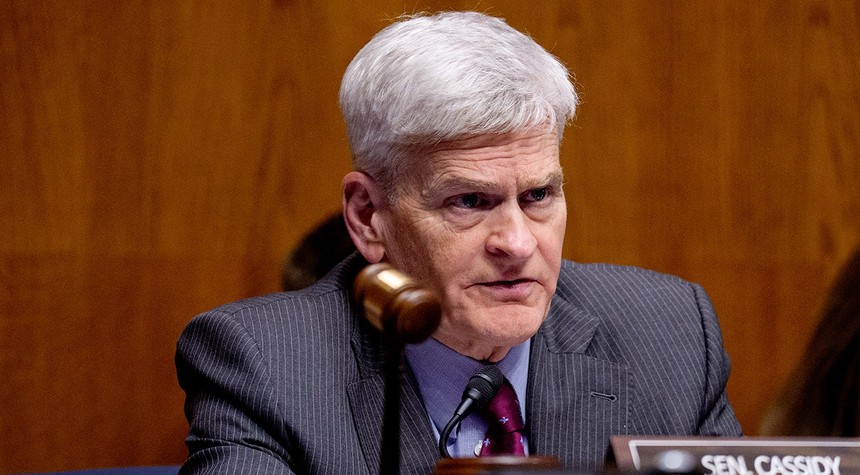
Senator Bill Cassidy of Louisiana, chairman of the Senate Health, Education, Labor and Pensions Committee, is determined to find out. In a series of pointed letters, the senator has demanded transparency from health care providers in Rhode Island and from federal administrators about whether taxpayer-backed facilities have been providing puberty blockers, cross-sex hormones, and surgical referrals to patients under nineteen years old.
The timing of these inquiries is significant. They arrive just days before a scheduled Senate hearing examining alleged gender transition procedures performed on children with federal support. This is not merely political theater. This is about accountability, about following the money, and about protecting the most vulnerable among us.
“Health care providers are supposed to protect children’s health, not subject them to dangerous sex-change procedures driven by ideology,” Cassidy stated. “These entities need to be held accountable to prevent further harm to children.”
The investigation extends beyond whether these procedures occurred. Cassidy is also pressing the Health Resources and Services Administration to clarify whether federal funding and liability protections might shield community health centers from accountability when former patients eventually file lawsuits. It is a question that deserves an answer, particularly as more young adults who underwent these treatments as minors are beginning to speak out about their regrets.
Documents reviewed in connection with this investigation paint a troubling picture. One federally funded community health center describes a clear pathway for patients under eighteen seeking gender-affirming care, including hormone treatments, requiring only parental consent for an initial intake appointment. Another facility publicly advertises transgender health services, including hormone care, while simultaneously operating an adolescent health program specifically for youth and young adults between thirteen and twenty-four.
The scope of federal involvement became clearer in February when the general counsel for the Department of Health and Human Services, Mike Stuart, referred several federally funded community health centers for inspector general investigation. The specific allegation: providing gender-transition services to children. Whether that investigation has been completed or its findings released remains unclear, adding another layer to Cassidy’s demand for transparency.
Meanwhile, Smith College finds itself under federal investigation by the Department of Education regarding its transgender admissions policy, demonstrating that scrutiny of gender ideology in institutions is expanding across multiple fronts.
The fundamental issue here transcends partisan politics. This is about whether federal dollars intended to support community health are instead being directed toward experimental treatments on minors, treatments that multiple European nations have recently restricted or banned after reviewing the evidence. Sweden, Finland, and the United Kingdom have all pulled back from the aggressive medicalization of gender-questioning youth, citing insufficient evidence of benefit and growing concerns about harm.
American families deserve to know how their tax dollars are being spent. Young patients deserve protection from ideologically driven medicine that may prioritize affirmation over careful, evidence-based treatment. And healthcare providers receiving federal support deserve clear guidance about what is and is not acceptable when treating minors.
Senator Cassidy’s investigation represents an important step toward answering these questions. The American people are watching, and they are waiting for answers that have been far too long in coming.
Related: Senate Hearing Reveals Alleged Cover-Up of COVID Lab Leak Investigation Findings