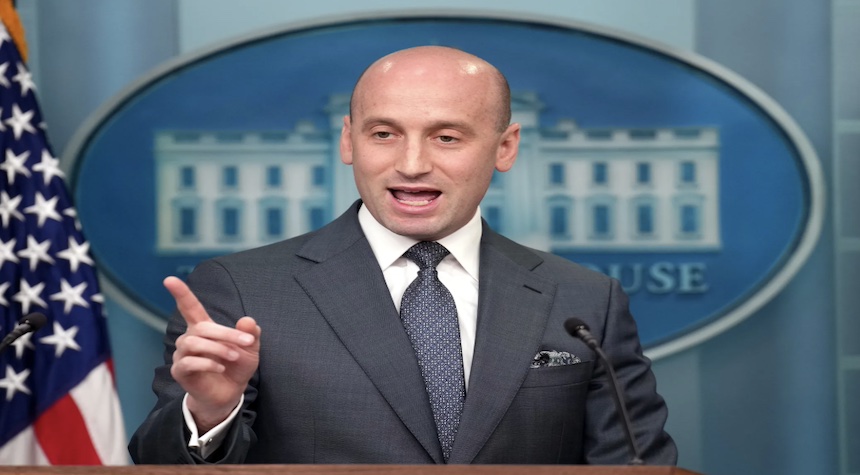
On Monday, Stephen Miller, Deputy Chief of Staff, proposed a comprehensive federal response to what he perceives as organized systems contributing to political violence, which was spurred by the death of conservative commentator Charlie Kirk.
Miller expressed in a statement and later interviews that the Department of Justice and the Homeland Security should play a pivotal role in “identifying, disrupting, and dismantling” groups he claimed are involved in coordinated harassment and intimidation. The tactics he identified included doxxing, online targeting, and street demonstrations, which he believes contribute to a climate of political hostility.
Miller described the activity as a “vast domestic terror movement,” without mentioning specific organizations or providing evidence of formal coordination. He suggested that some networks operate as “cells” and cultivate an environment conducive to violence.
Related: Fear Spreads: Swatting Epidemic Hits US Campuses After Charlie Kirk Shooting
Linking his comments to the death of Kirk, Miller shared that the conservative activist’s final message to him underscored the need to confront radical organizations that “foment violence.” He pledged that any response would be carried out “in Charlie’s name.”

Miller refrained from detailing tangible policy steps or legal mechanisms for such a crackdown. Although he mentioned the powers of DOJ and DHS, he did not specify what statutes or investigative tools might be employed. This raises important questions about whether Miller’s remarks signal an impending government initiative or are primarily a political message. Federal officials have not confirmed any new directives or investigations stemming from his comments.
Critics of Miller’s statement argue that his language is overly broad and risks being used to target legitimate protest movements or civic organizations. Civil liberties groups warned that categorizing activist activity as terrorism without clear evidence could pose constitutional challenges.
Conversely, supporters of Miller’s stance have echoed his concern about what they perceive as escalating harassment and intimidation campaigns against public figures and institutions. They argue that stronger enforcement mechanisms are necessary to deter politically motivated violence.
This development follows earlier reports of the ongoing Kirk investigation that continues to command national attention. Federal authorities have yet to divulge full details about potential suspects or motives. The extent to which Miller’s remarks will translate into official policy remains unclear. For now, his statement contributes to a broader debate about political violence, free speech, and the government’s role in regulating the activities of activist groups across the ideological spectrum.