
The story coming out of Texas this week serves as a stark reminder that our porous borders create opportunities for more than just unauthorized entry. They open the door to sophisticated criminal enterprises that prey on everyday Americans.
Three Latvian nationals, all residing in the United States illegally, now find themselves in custody after allegedly orchestrating a $14 million gift card fraud scheme that stretched across multiple states. The operation was as brazen as it was methodical, and the numbers tell a troubling tale.
Kristians Petroviskis, Romunds Cubrevics, and Nurmunds Ulevicus stand accused of a scheme that authorities say had been running since May of this year. According to investigators, these men were hitting approximately ten stores per day, seven days a week, stealing gift cards with the precision of a well-oiled machine.
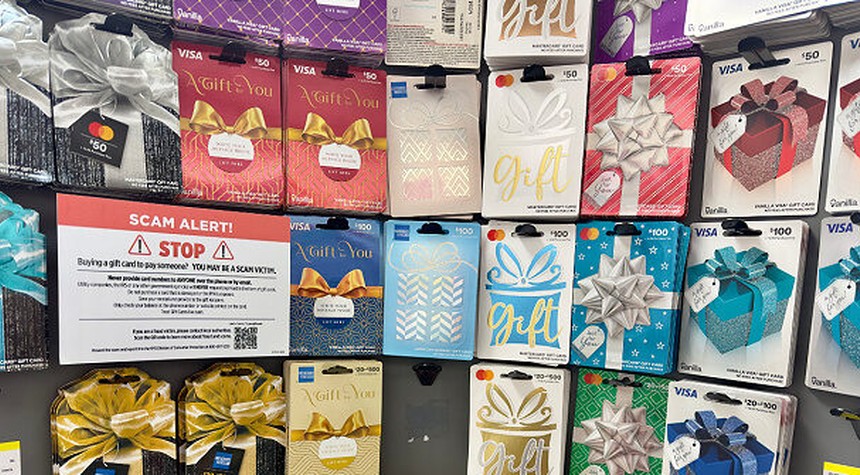
The Texas Financial Crimes Intelligence Center broke down the operation in terms that should concern anyone who has ever purchased a gift card. Director Adam Colby explained the mechanics of this modern theft: criminals would remove gift cards from store displays, carefully peel back the protective covering on the card’s reverse side, and record the card numbers and security codes. These numbers were then fed into specialized software that allowed the thieves to monitor each compromised card.
Here is where the scheme becomes particularly insidious. The criminals would meticulously reassemble the cards, making them appear completely untouched, before returning them to store shelves. Unsuspecting customers would then purchase these compromised cards, loading them with money for friends, family, or business purposes.
The moment activation occurred, the criminals received notification. Within moments, they could drain the funds, transferring money to different cards which were then used to purchase high-end merchandise or converted directly to cash. The victim would be left holding what amounted to an empty promise, their money vanished into the criminal network.
When authorities apprehended the three suspects, they allegedly discovered more than 400 gift cards in their possession. The scope of their operation extended across major Texas metropolitan areas, including Dallas, Houston, and San Antonio, though the full extent of their activities likely reaches into other states as well.
This case raises uncomfortable but necessary questions about immigration enforcement and border security. These three men allegedly entered the country illegally from Eastern Europe and proceeded to establish a criminal enterprise that victimized countless Americans over the course of months. The operation required planning, coordination, and the freedom to move across state lines without detection.
The $14 million figure represents more than just stolen money. It represents birthday gifts that never arrived, employee incentives that evaporated, and the erosion of trust in simple commercial transactions. Every compromised gift card is a small theft that adds up to a massive problem.
As this case moves through the justice system, it serves as evidence that border security is not merely about controlling who enters the country. It is about preventing those who would exploit our systems and victimize our citizens from establishing operations on American soil. The sophistication of this alleged scheme suggests these were not amateurs, and one must wonder what other criminal enterprises operate with similar impunity while our attention is focused elsewhere.
Related: David Hann Calls Out Democratic Leadership Amid Multibillion Dollar Minnesota Fraud Crisis