Trump Administration Increases Worldwide Tariff After Legal Setback
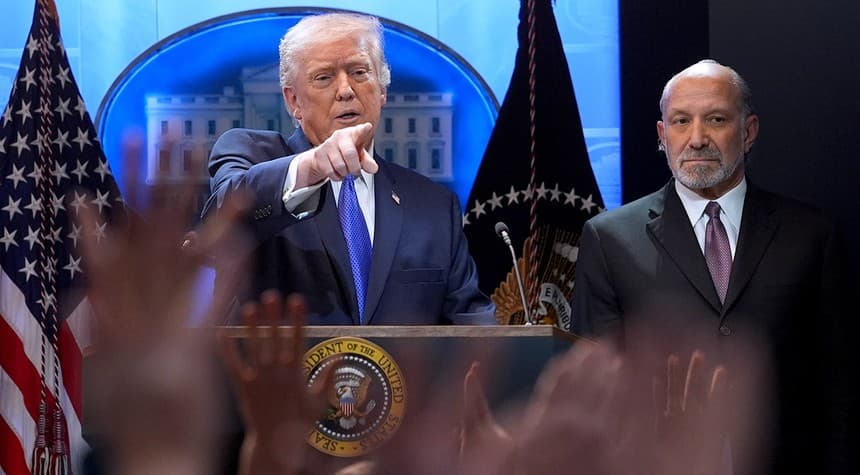
The courage of conviction, some would say. Stubborn defiance, others might argue. Whatever your perspective, President Donald Trump made clear this weekend that a Supreme Court ruling would not derail his trade agenda.
On Saturday, the president announced he would raise the global tariff rate to 15 percent, just one day after the nation's highest court struck down his emergency tariff authority in a 6-3 decision. The move represents a direct response to what Trump characterized as a "ridiculous, poorly written, and extraordinarily anti-American decision."
The Supreme Court's Friday ruling rejected the president's authority to impose sweeping tariffs under the International Emergency Economic Powers Act, a law typically reserved for national security emergencies. The decision marked a significant test of executive branch powers, with the court's majority determining that the statute did not grant such broad economic authority to the presidency.
Trump's response came swiftly. Writing on his social media platform, the president announced the tariff increase would take effect immediately, citing what he described as "fully allowed, and legally tested" authority under different statutory provisions. After the court blocked his initial approach, Trump pivoted to a 10 percent global tariff under alternative legal justification, then quickly elevated that rate to 15 percent.
The president framed his actions within his broader trade philosophy, arguing that foreign nations have exploited American commerce for decades without consequence. His statement emphasized that these countries had been "ripping" the United States off until his administration took action.
Legal experts and economic analysts will undoubtedly scrutinize the alternative statutory authority Trump now claims. The administration has indicated it will spend the coming months determining "new and legally permissible tariffs" that can withstand judicial review while advancing the president's economic nationalist agenda.
The Supreme Court's decision represents a rare check on executive authority in the trade arena, where presidents have historically enjoyed considerable latitude. The 6-3 split suggests the conservative-leaning court found the president's interpretation of emergency powers overreached statutory boundaries, regardless of the policy merits.
For American businesses and consumers, the practical implications remain substantial. A 15 percent global tariff affects the cost of imported goods across virtually every sector of the economy, from manufacturing inputs to consumer products. Retailers, manufacturers, and economists have consistently warned that such broad-based tariffs ultimately translate to higher prices for American families.
The administration counters that short-term economic disruption serves long-term strategic interests, arguing that tariffs pressure foreign nations to negotiate fairer trade terms and encourage domestic manufacturing growth.
What happens next likely depends on whether the legal foundation for these revised tariffs proves more durable than the first attempt. The Supreme Court has spoken once. Whether it will need to speak again on this matter remains an open question, one that will shape both trade policy and constitutional boundaries of presidential power for years to come.
The president has made abundantly clear that he views this fight as central to his governing mission. The courts have made equally clear they will scrutinize the legal basis for that fight. The American people, meanwhile, will live with the economic consequences while this constitutional drama unfolds.
Related: Bipartisan Lawmakers Move to Block Unauthorized Military Action Against Iran