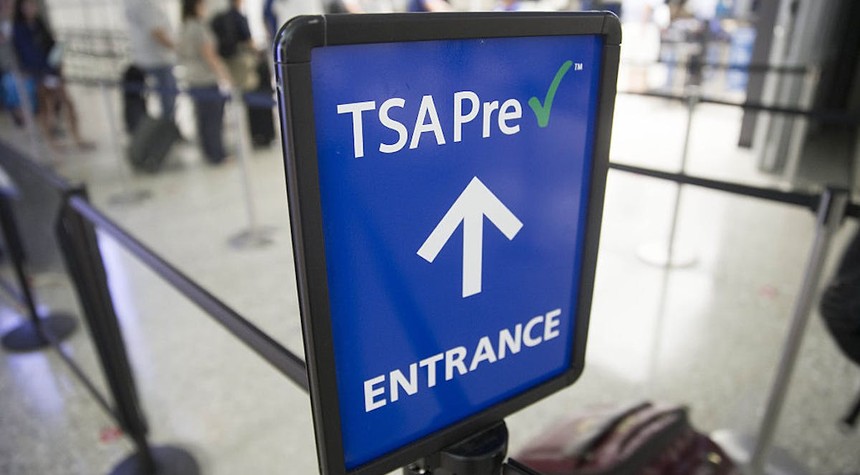
The Transportation Security Administration has reversed course on a controversial decision that would have left more than 20 million Americans without access to expedited airport security during the ongoing government shutdown.
After initially suspending TSA PreCheck operations, the agency announced that the popular program will remain open after all. The agency stated it will evaluate staffing constraints on a case-by-case basis and adjust operations accordingly. It is a measured response to what had become an immediate flashpoint in the broader shutdown battle consuming Washington.
The temporary suspension announcement had sent ripples through America’s airports and sparked fierce political warfare. Homeland Security Secretary Kristi Noem had defended the initial decision as a matter of priorities, arguing that TSA and Customs and Border Protection needed to focus resources on the general traveling population rather than maintaining what she termed “courtesy and special privilege escorts.”
Make no mistake, the stakes here extend far beyond convenience. TSA PreCheck and its companion program, Global Entry, represent a carefully calibrated system designed to streamline security while maintaining safety standards. Pre-approved travelers move through checkpoints without removing electronics from bags, often clearing security in ten minutes or less. Global Entry handles the other end of the journey, using facial recognition technology to speed international arrivals through customs.
The programs are not free rides. Americans pay for these services, and many depend on them for business travel and family obligations. When you tell paying customers their service is suspended while government officials point fingers at each other, frustration runs deep and justifiably so.
Democrats on the Homeland Security Committee wasted no time launching accusations, claiming the suspension was pure political theater designed to inflict maximum pain on travelers. Their statement accused Secretary Noem and political operative Corey Lewandowski of deliberately sabotaging programs that actually reduce the burden on DHS staff.
The administration fired back with equal vigor. TSA Deputy Administrator Adam Stahl laid responsibility squarely at the feet of congressional Democrats, arguing they were leveraging TSA’s 63,000-person workforce as a political weapon. His warning carried weight: a prolonged shutdown could trigger significant attrition among security officers, leading to delays, longer wait times, and cancelled flights across the nation.
This episode illustrates a troubling reality about modern governance. When political disputes escalate into shutdown territory, ordinary Americans become collateral damage. The travelers who purchased TSA PreCheck memberships did so in good faith, expecting reliable service. They should not find themselves pawns in a Washington power struggle.
The quick reversal suggests someone in authority recognized the optics problem and the practical nightmare brewing at airport security checkpoints nationwide. Whether this represents genuine responsiveness to public concern or simple damage control remains an open question.
What cannot be questioned is this: shutdowns have consequences that extend far beyond the marble halls of government buildings. They touch real people trying to conduct real business and visit real family members. The sooner Washington remembers that fundamental truth, the better served the American people will be.
For now, TSA PreCheck members can breathe easier. But the underlying dysfunction that created this mess in the first place continues unabated.
Related: Baystate Health Abandons Youth Gender Programs to Protect Federal Medicare Dollars