The calendar has a way of marking moments that matter, and Thursday brought us to the one-year anniversary of what this administration calls “Liberation Day.” President Donald Trump marked the occasion not with speeches or ceremonies, but with action that will reverberate through American industry and medicine cabinets alike.
The president imposed a 100 percent tariff on patented pharmaceutical ingredients and products, alongside a 50 percent tariff on goods composed fully or nearly fully of aluminum, steel, or copper. These are not minor adjustments to trade policy. These are fundamental shifts in how America does business with the world.
Both sets of duties arrive through presidential proclamations, classified as Section 232 tariffs, which means they are justified on national security grounds. That classification carries weight, both legally and symbolically. It says that America’s ability to produce its own medicines and industrial materials is not merely an economic preference but a matter of national survival.
The pharmaceutical tariffs will not take effect immediately. Larger companies face a 120-day countdown, while smaller firms have 180 days to prepare. This staged implementation suggests an administration aware that abrupt changes could disrupt supply chains, even as it pursues long-term strategic goals.
Here is where the policy becomes interesting. Companies willing to strike Most-Favored-Nation deals and commit to onshoring agreements with the United States can avoid these tariffs entirely until the next presidential administration takes office. For companies that only agree to bring manufacturing back to American soil without the pricing agreements, a 20 percent tariff applies. The Department of Commerce and Health and Human Services will establish the pathways for these arrangements.
The European Union, Japan, Korea, Switzerland, and Liechtenstein face a 15 percent tariff on pharmaceutical products, a lower rate that acknowledges existing relationships while still applying pressure. The United Kingdom receives even more favorable treatment under a recently concluded pharmaceutical agreement, though the specific rate remains undisclosed.
This tiered approach reveals a strategy more nuanced than simple protectionism. The administration appears to be using tariff policy as both stick and carrot, punishing foreign production while rewarding domestic investment and favorable trade terms.
The timing is deliberate. One year ago, the administration launched what it termed Liberation Day tariffs, framing trade policy in the language of independence and sovereignty. This anniversary expansion suggests that initial effort was not a one-time event but the opening salvo in a sustained campaign to reshape American manufacturing.
The pharmaceutical focus carries particular resonance in an era when Americans have watched supply chains collapse and drug prices soar. Whether these tariffs will lower costs for consumers or simply shift where profits accumulate remains an open question. Economic theory suggests tariffs typically raise prices in the short term, though proponents argue that increased domestic competition eventually drives costs down.
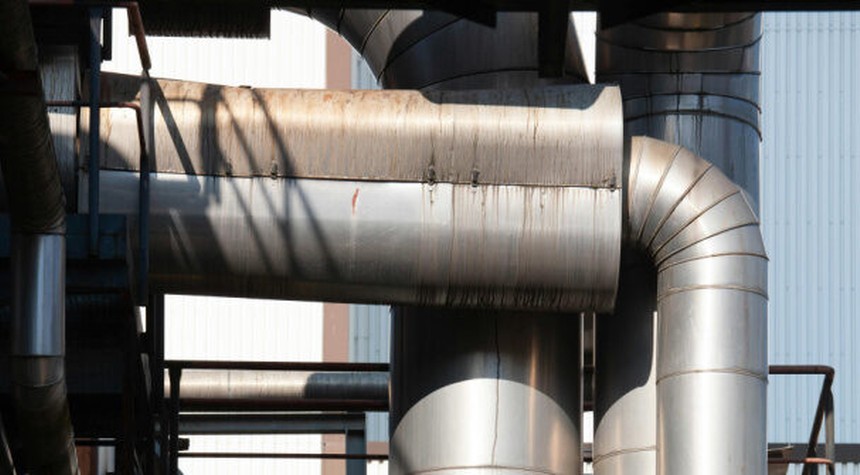
The steel, aluminum, and copper tariffs reinforce existing protections for American metal producers, industries that have been political footballs for decades. These sectors employ workers in states that matter electorally, and they supply materials essential to everything from construction to defense manufacturing.
What we are witnessing is an administration betting that short-term disruption and higher prices are acceptable costs for long-term industrial independence. Whether that bet pays off will depend on factors beyond any president’s control, including whether American companies actually build the facilities they promise and whether those facilities can compete globally once the tariff protections eventually fade.
The policy is now set. The consequences will unfold over months and years, not days.
Related: Trump Says United States No Longer Dependent on Middle Eastern Oil Imports