Trump Demands Accountability as Minnesota Fraud Allegations Mount
The story unfolding in Minnesota has all the makings of a political scandal that could shake the foundations of public trust. President Donald Trump took to social media Saturday with pointed accusations against the state's Democratic leadership, suggesting the scope of alleged fraud extends far beyond what anyone initially understood.
According to the president's statement, the theft and fraud in Minnesota now appears to exceed the originally projected figure of nineteen billion dollars. That is not a number to be taken lightly. These are serious allegations that demand serious scrutiny.
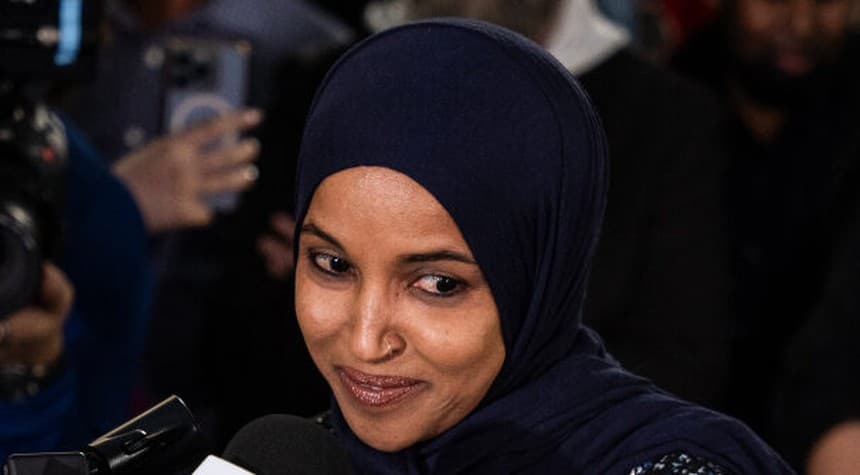
Trump directed his criticism squarely at Representative Ilhan Omar and Governor Tim Walz, suggesting that the previous administration turned a blind eye to wrongdoing that was happening in plain sight. The president's words were blunt and unsparing, calling for accountability at the highest levels of Minnesota's government.
The context behind these accusations tells a troubling tale. The Department of Justice during the previous administration reportedly opened an investigation into Omar's personal finances after questions arose about how her net worth allegedly grew by thirty million dollars following her election to Congress. When a public servant's wealth increases that dramatically in such a short time, the American people have every right to ask questions.
Representative James Comer has indicated his intention to subpoena Omar's husband, Tim Mynett, regarding what he characterizes as suspicious financial circumstances surrounding the couple's net worth. Financial disclosure documents have apparently raised enough red flags to warrant this level of congressional oversight.
The president's statement also took aim at Governor Walz, presenting a stark choice in his assessment: either the governor knew what was happening and did nothing, or he failed to recognize what should have been obvious warning signs. Neither option reflects well on the state's leadership.
What makes this situation particularly concerning is the scale involved. Nineteen billion dollars, and potentially more, represents an enormous sum of taxpayer money. If even a fraction of these allegations proves accurate, it would represent one of the most significant cases of public corruption in recent memory.
The question now becomes what happens next. Congressional oversight appears to be moving forward with subpoenas and investigations. The American people deserve transparency, especially when dealing with allegations of this magnitude involving their elected representatives.
Minnesota voters entrusted these officials with significant responsibility. They have every right to expect that their tax dollars will be handled with integrity and that their representatives will conduct themselves according to the highest ethical standards. When those standards appear to have been violated, accountability must follow.
This story continues to develop, and the facts will ultimately speak for themselves. But the pattern of questions surrounding financial dealings, combined with the apparent reluctance of previous oversight mechanisms to act decisively, raises legitimate concerns that cannot be dismissed or ignored.
The American system of government depends on trust between the governed and those who govern. When that trust is broken, the damage extends far beyond any individual politician or party. It strikes at the very heart of representative democracy itself.
Related: New Advertising Push Highlights ICE Agents as Neighbors and Patriots Amid Rising Hostility