The courage of the Honduran people is being tested today, not just by the ballot box, but by the heavy hand of American intervention in their democratic process.
Polling stations opened across this Central American nation of 11 million souls as voters face a choice that carries consequences far beyond their borders. Three candidates are running neck-and-neck to succeed President Xiomara Castro, and the outcome could determine whether Honduras joins Argentina and Bolivia in Latin America’s recent rightward shift.
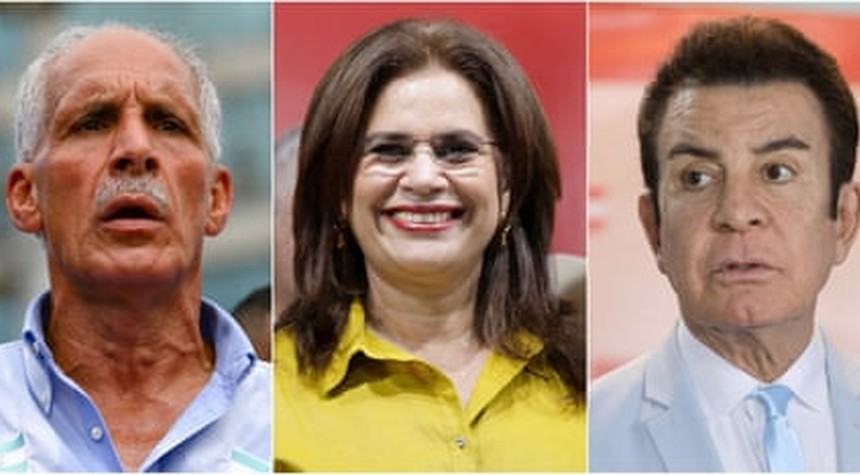
But this election carries an unusual burden. President Trump has made clear his preference for 67-year-old Nasry “Tito” Asfura of the rightwing National party, going so far as to threaten cutting American aid if his favored candidate loses. Writing on his social media platform Friday, Trump declared that if Asfura fails to win, “the United States will not be throwing good money after bad.”
The other contenders in this tight race are 60-year-old lawyer Rixi Moncada from the ruling Libre party and 72-year-old television personality Salvador Nasralla of the Liberal party. Moncada has framed the contest as a battle between what she calls a “coup-plotting oligarchy” and democratic socialism, a reference to the 2009 military overthrow of Manuel Zelaya, Castro’s husband and former president.
Trump’s involvement took a stunning turn Friday when he announced plans to pardon former Honduran President Juan Orlando Hernandez, currently serving 45 years in federal prison for cocaine trafficking. Hernandez, a National party member, was convicted in Manhattan of transforming Honduras into what prosecutors called a “narco-state” during his presidency from 2014 to 2022.
The pardon announcement raises serious questions about consistency in drug policy. While Trump has ordered a significant military buildup in the Caribbean specifically targeting narco-traffickers, he claimed Hernandez “has been, according to many people that I greatly respect, treated very harshly and unfairly,” without providing specifics.
The stakes for ordinary Hondurans could not be higher. Since Trump returned to office in January, nearly 30,000 Honduran migrants have been deported from the United States. This crackdown has delivered a crushing blow to one of Latin America’s poorest nations, where money sent home by workers abroad accounted for 27 percent of the gross domestic product last year.
Some Hondurans have expressed hope that Trump’s intervention might signal a willingness to allow their countrymen to remain in America. Others have rejected what they view as inappropriate meddling in their sovereign electoral process.
Asfura, a former building contractor, served two terms as mayor of the capital city Tegucigalpa before entering this race. Nasralla previously served in Castro’s government but broke with the ruling party and has since moved rightward in his positions. Moncada has held cabinet positions under both Zelaya and Castro.
Both the ruling party and opposition have made preemptive accusations of election fraud, sowing distrust in the process and raising fears of unrest once results are announced. The first tallies are expected Sunday.
Polling stations will remain open for ten hours of voting. What happens next may well determine not just Honduras’s political direction, but the nature of America’s relationship with its struggling neighbor to the south.
Related: Kentucky Senate Candidate Faces Questions Over Afghan Visa Support After Deadly Attack