The numbers are staggering, and if they hold up under scrutiny, they represent one of the largest cases of systematic fraud against American taxpayers in recent memory.
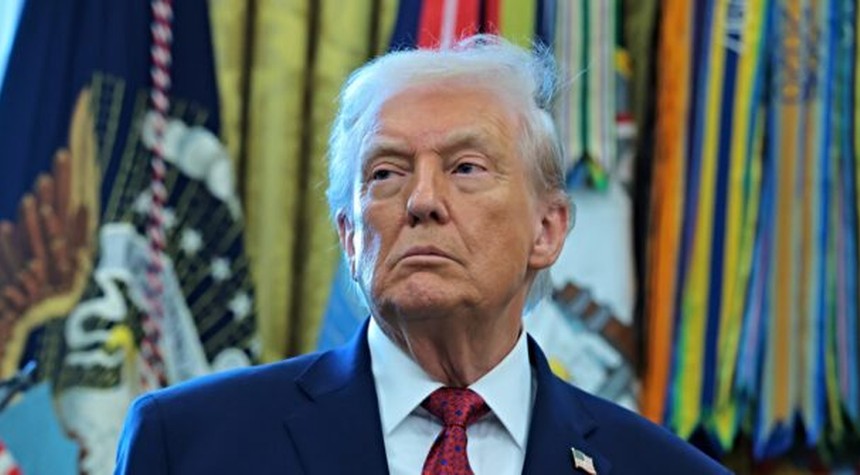
President Donald Trump announced Sunday evening aboard Air Force One that his administration intends to cut federal funding to California, Illinois, and Minnesota over what he characterizes as massive fraud involving Somali immigrant networks. The president cited figures suggesting at least $19 billion in stolen funds from Minnesota alone, though he indicated the actual total could reach $50 billion or more across affected states.
“The Somalians are ripping off our country,” Trump told reporters during the flight. He went on to describe Somalia as a failed state without functioning government or military, while accusing immigrant networks of systematically defrauding American welfare programs.
The president specifically named Representative Ilhan Omar, calling her “a total crook” and suggesting she plays a leadership role in these alleged schemes. Trump stated that those found guilty should be removed from the country, including naturalized citizens if fraud can be proven in their citizenship applications.
Now, here is where the rubber meets the road. Cutting off these funds presents significant practical and legal challenges. The money in question flows through appropriations controlled by state legislatures and Congress, where Democratic lawmakers can block any attempts to restrict spending. The president’s authority to simply withhold allocated funds remains constitutionally questionable, as previous administrations have discovered.
Deportation presents its own complications. Non-citizens convicted of fraud can be removed relatively quickly. However, deporting naturalized citizens requires the government to prove in court that fraud was used to obtain citizenship in the first place. That is a high legal bar requiring substantial evidence and lengthy proceedings.
The allegations stem from ongoing investigations by citizen journalists who claim to have uncovered elaborate fraud networks operating across multiple states. These investigators are also tracking political donations from Somali communities to Democratic Party organizations, though the connection between legitimate political participation and criminal fraud remains unclear.
This focus on Somali fraud could energize the Republican base heading into November elections. Populist voters and business donors who prioritize immigration enforcement may find this message compelling. However, political strategists worry about the impact on swing voters, that crucial middle ground that decides elections.
These swing voters typically care most about kitchen table issues: their rent payments, their wages, their grocery bills. A sustained focus on fraud in distant Somali communities may not resonate with suburban voters struggling with their own economic concerns. Some of these same voters, particularly white-collar workers, express greater concern about the H-1B visa program bringing over one million foreign workers into competition for professional jobs.
The question facing the Trump campaign is whether this emphasis helps or hurts in battleground states. Fraud is fraud, and if billions of taxpayer dollars are being stolen, Americans deserve to know about it and see it stopped. But timing matters in politics, and message discipline can make the difference between victory and defeat.
The coming weeks will reveal whether this becomes a sustained policy push with concrete results or simply another skirmish in the ongoing immigration debate. What remains certain is that any fraud of this magnitude, if proven, demands thorough investigation and swift justice.
Related: Musk Questions Whether Government Efficiency Project Was Worth the Personal Cost