Graham Defends Miller and Noem as GOP Fractures Over Fatal Border Patrol Shooting
The fault lines within the Republican Party rarely reveal themselves as starkly as they did this week on Capitol Hill, where senators found themselves at odds over a shooting death in Minneapolis that has raised serious questions about federal immigration enforcement and the judgment of those leading it.
The facts of the case are troubling, and they demand our attention. Alex Pretti, a 37-year-old intensive care nurse, was shot and killed by Border Patrol agents while recording federal immigration operations in Minneapolis over the weekend. According to accounts of the incident, Pretti appeared to be attempting to help a woman whom agents had knocked to the ground. He was sprayed with an irritant, pushed down, and beaten. An agent removed Pretti's lawfully owned firearm from his waistband before other agents fired multiple shots, killing him.
What happened next raises questions that go to the heart of how our government operates in moments of crisis. Homeland Security Secretary Kristi Noem and Homeland Security Advisor Stephen Miller reportedly informed President Donald Trump that Pretti was a "domestic terrorist" before any incident report had been completed. That characterization of an American citizen, dead at the hands of federal agents and unable to defend himself, struck some senators as premature at best and reckless at worst.
Senator Thom Tillis of North Carolina became the first Senate Republican to call for Noem's dismissal. His words carried weight and frustration in equal measure. "What she's done in Minnesota should be disqualifying. She should be out of a job," Tillis told reporters. He described the handling of the situation as amateurish and terrible, arguing it made the president look bad on immigration policy, an issue Trump won on during the campaign.
"They're talking about the incompetence of the leader of Homeland Security," Tillis said, adding that labeling Pretti a terrorist "before they even had an incident report whatsoever" represented "amateur hour at its worst."
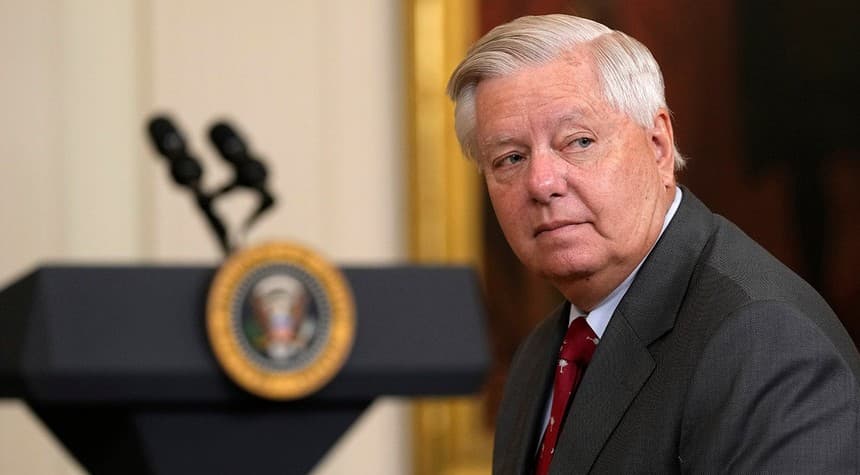
But Senator Lindsey Graham of South Carolina saw things differently. In a pointed defense of both Noem and Miller, Graham suggested that anyone who believes they can drive a wedge between President Trump and his longtime advisor Miller has badly misread the political landscape.
"I've known Stephen Miller for a very long time. We have our differences, but we have more in common," Graham said. "When the clock strikes midnight for President Trump, there will be very few by his side. One will be Stephen Miller. If you don't get that, you've missed a lot."
Graham's message to his Republican colleagues was unmistakable. The president's confidence in Miller remains unshakable, and those hoping otherwise are engaged in wishful thinking.
Meanwhile, Representative Ilhan Omar of Minnesota offered her own observation during a press conference, noting with apparent irony that ICE has succeeded in making Minneapolis residents appreciate their local police more.
The broader question remains unanswered. How should federal law enforcement conduct immigration operations in American cities? What standards of accountability apply when an American citizen dies during those operations? And who speaks for the administration in the crucial hours after such incidents occur?
These are not partisan questions. They cut to the core of how we govern ourselves and how we balance the enforcement of immigration law with the rights and safety of American citizens. The answers we arrive at will say much about who we are as a nation.
Related: Liberal Protest Group Plans Third National Demonstration Against Trump Administration