The situation in the Middle East has reached another critical juncture, and President Donald Trump is making it abundantly clear that America intends to hold the reins on what happens next in Tehran.
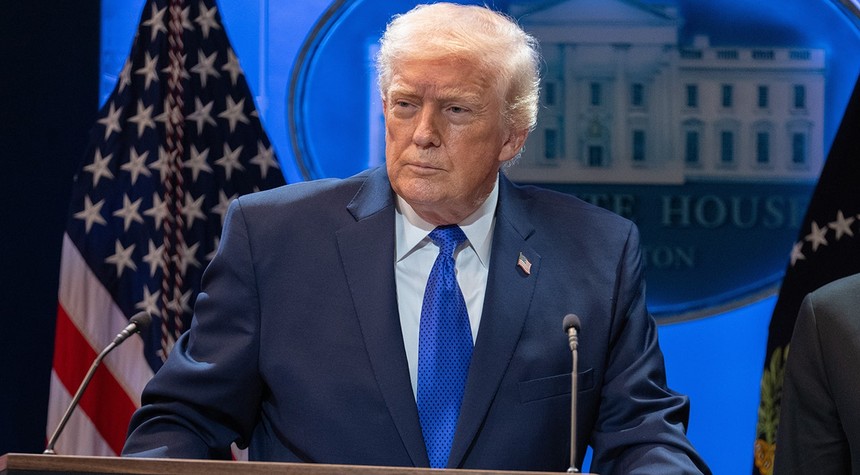
Speaking from the White House on Sunday, the president delivered a message that carried the weight of American military might behind it. Iran’s newly selected supreme leader, Trump said in no uncertain terms, will need Washington’s approval if he expects to maintain his grip on power.
“He’s going to have to get approval from us,” the president stated during a wide-ranging interview. “If he doesn’t get approval from us, he’s not going to last long.”
This is the kind of straight talk that cuts through diplomatic niceties and gets right to the heart of the matter. The president is not mincing words about American expectations for Iran’s future direction.
The comments arrive as Operation Epic Fury, Israel’s targeted campaign against Iranian oil infrastructure, enters its second week. The president has repeatedly praised the operation as a historic success, marking a significant shift in how the West confronts Iranian aggression.
Trump’s remarks reveal a broader strategic vision that extends beyond the immediate military operations. The president made it clear he is thinking about the long game, about preventing future conflicts rather than simply managing current ones.
“We want to make sure that we don’t have to go back every ten years, when you don’t have a president like me that’s not going to do it,” Trump explained. His concern centers on establishing a lasting framework that will prevent the cycle of escalation and military intervention that has characterized Middle East policy for decades.
The nuclear question remains at the forefront of American concerns. Trump emphasized his determination to prevent Iran from obtaining nuclear weapons, a goal that has eluded previous administrations despite years of negotiations and economic sanctions.
“I don’t want people to have to go back in five years and have to do the same thing again, or worse, let them have a nuclear weapon,” the president said.
Iranian state media has reported that a consensus has been reached on selecting a new supreme leader, though the transition comes at a moment of profound vulnerability for the regime. With Israeli strikes having damaged critical oil infrastructure and the American president openly questioning the new leader’s legitimacy, Tehran finds itself in a precarious position.
The timing of Trump’s comments is significant. By publicly stating that Iran’s leadership requires American approval, the president is attempting to shape the narrative around the transition and establish American influence over Iran’s future direction.
This approach represents a departure from previous administrations that often treated Iran’s internal affairs as beyond American influence. Trump is signaling that Washington intends to play an active role in determining what kind of government emerges from this period of upheaval.
The question now becomes whether Iran’s new leadership will seek accommodation with Washington or attempt to chart an independent course. If Trump’s assessment is correct, the latter option may prove untenable given the current military and economic pressures facing the regime.
What remains clear is that the president sees this moment as an opportunity to fundamentally reshape America’s relationship with Iran and establish terms that could prevent future conflicts. Whether that vision becomes reality will depend on decisions made in both Washington and Tehran in the coming weeks.
Related: Texas Congressman Ends Reelection Bid After Admitting Affair With Deceased Former Staffer