Tulsi Gabbard Fires Back at Democrats Over Whistleblower Complaint Allegations
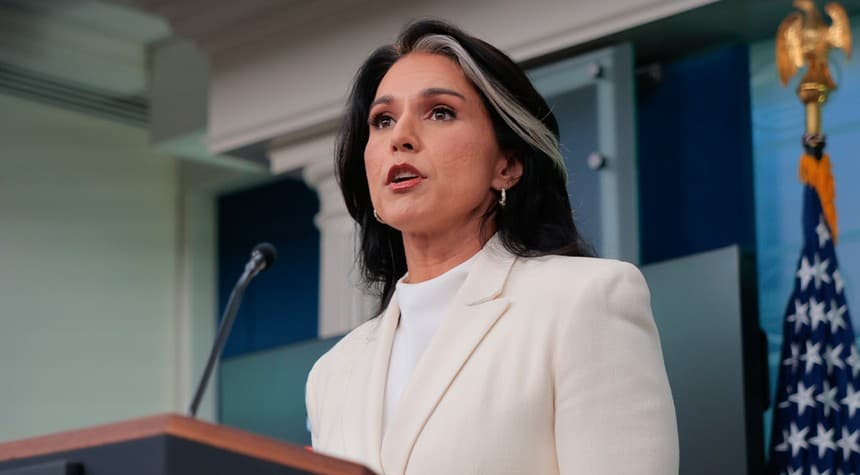
The political temperature in Washington is rising once again, this time over questions surrounding a whistleblower complaint filed against Director of National Intelligence Tulsi Gabbard and why it took the better part of a year to reach congressional hands.
Gabbard came out swinging on Saturday, categorically denying allegations that she or her office deliberately concealed the highly classified complaint. In her telling, the accusations amount to nothing more than political theater orchestrated by Democrats and amplified by what she termed the "Propaganda Media."
"Senator Mark Warner and his friends in the Propaganda Media have repeatedly lied to the American people that I or the ODNI 'hid' a whistleblower complaint in a safe for eight months," Gabbard wrote in a detailed social media statement. "This is a blatant lie."
The facts, as they stand, paint a murky picture. A U.S. intelligence official filed the complaint last May with the intelligence community's watchdog office. The complaint has remained under lock and key ever since, with officials warning that its disclosure could cause "grave damage to national security." Neither the specific allegations nor the complaint's contents have been made public.
Here is where the story gets interesting. Gabbard maintains she never possessed or controlled the whistleblower complaint, making it impossible for her to have hidden it anywhere. According to the Director of National Intelligence, the complaint remained in the custody of Tamara Johnson, the intelligence community Inspector General appointed during the Biden administration.
"I am not now, nor have I ever been, in possession or control of the Whistleblower's complaint, so I obviously could not have 'hidden' it in a safe," Gabbard stated plainly. She added that the first time she laid eyes on the complaint was when reviewing it to determine how it should be securely transmitted to Congress.
Democrats are not buying this explanation. Senator Mark Warner, the senior Democrat on the Senate Intelligence Committee, raised pointed questions about the timeline. Federal law requires such complaints to be forwarded to Congress within 21 days of filing. This complaint took eight months.
"The law is clear," Warner said Thursday. "I think it was an effort to try to bury this whistleblower complaint."
Gabbard's office has pushed back hard against these accusations, characterizing the entire affair as "baseless and politically motivated." The whistleblower's attorney, meanwhile, has accused Gabbard's office of deliberately slow-walking the process.
This controversy unfolds against the backdrop of Gabbard's recent involvement in election security matters. President Trump confirmed that Gabbard was in Georgia working on election safety issues, specifically at a Fulton County facility. Gabbard herself outlined her election security assessment and presence at the location.
The timing raises eyebrows. Democrats smell blood in the water, sensing an opportunity to damage a Trump administration official who has long been a thorn in their side. Gabbard, a former Democratic congresswoman who broke ranks with her party, has become a favorite target for progressive criticism.
What remains unclear is what exactly this whistleblower alleges. The classification level and the warnings about national security damage suggest serious matters are at stake. Yet without knowing the substance of the complaint, the public is left to watch a political food fight where both sides claim the moral high ground.
The American people deserve transparency, but they also deserve protection of legitimate national security secrets. Finding that balance has never been easy in Washington, and this case appears to be no exception. What is certain is that this story is far from over, and the coming weeks will likely bring more heat than light to an already contentious situation.
Related: Lewinsky Says She Still Lives With Fear From Public Shaming of Clinton Affair